

European Universities lecturers in KPI
(the material will be updated soon)
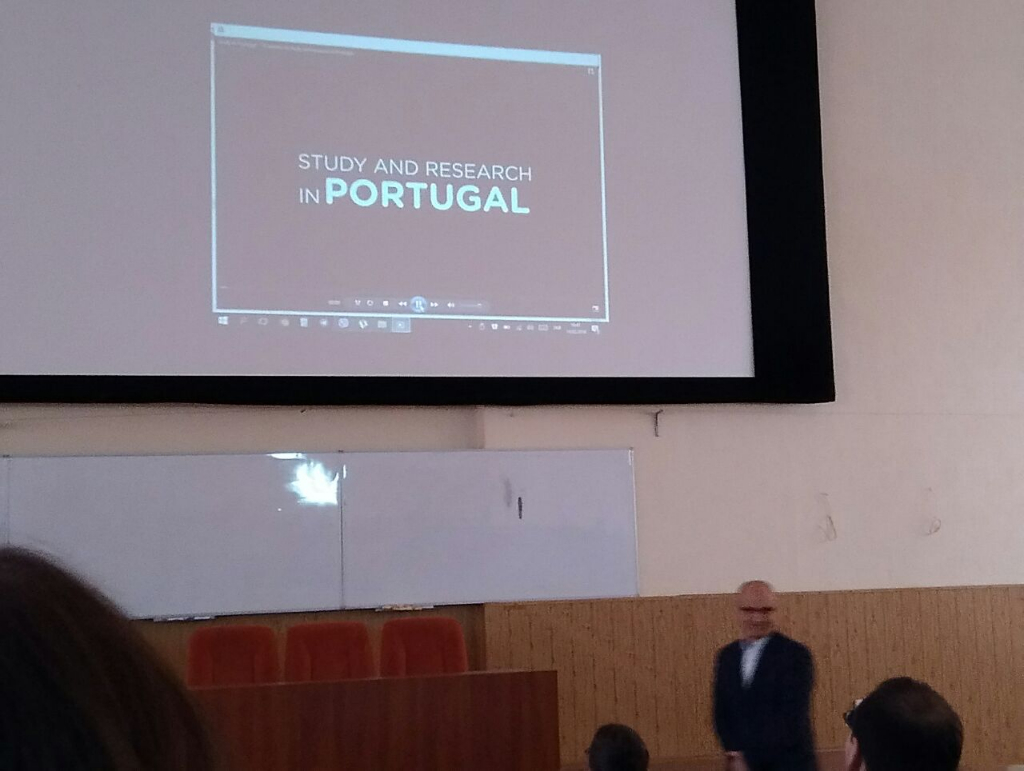
In February, lecturers from leading European universities came to KPI to tell about education in their institutions and about the possibility for KPI students to spend one or more semesters under the Erasmus program at their universities with a scholarship.
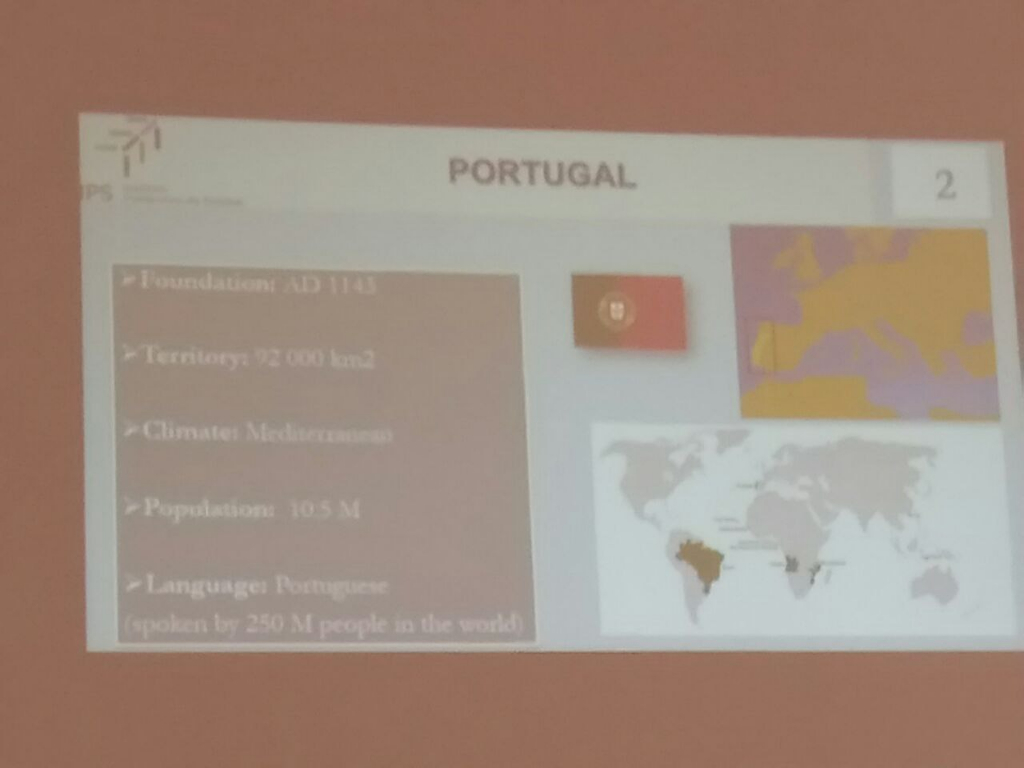
Interestingly, in Portugal, the principle of “learning closer to industry” is the best used, according to which the departments staff comprise representatives of state enterprises, and they can make up to 50% of the department’s staff. This undoubtedly improves the training of graduates for future professional activities.
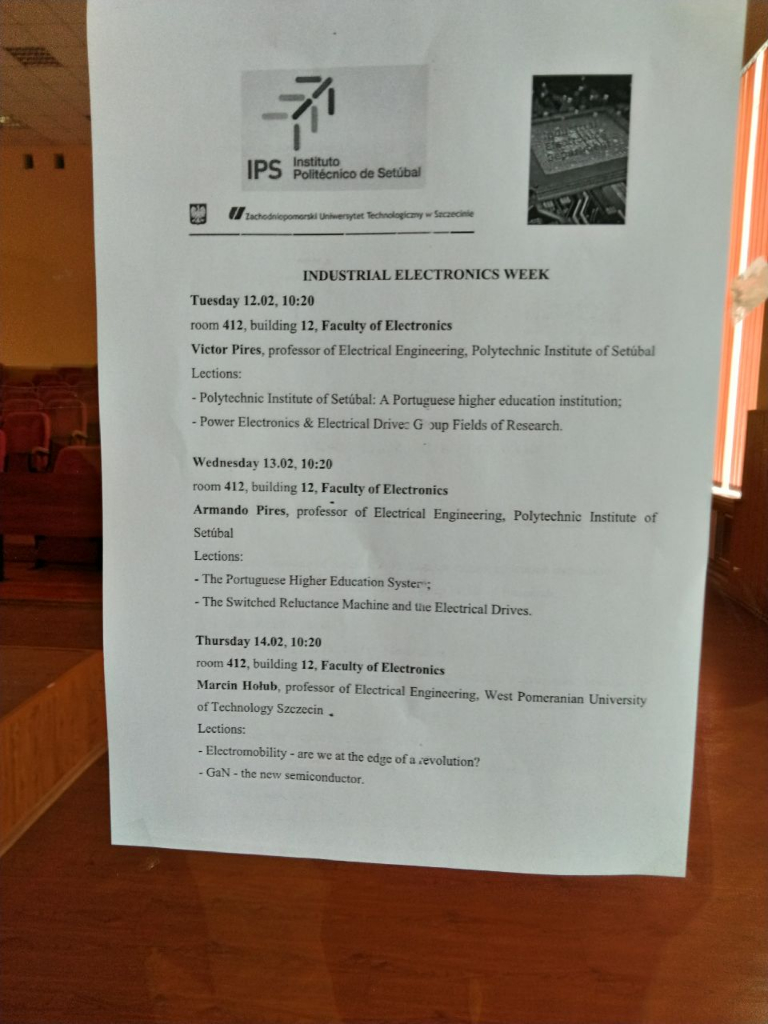
Together with this, in the framework of the “Week of Industrial Electronics” (news from the site of the Faculty of Electronics), 3 thematic lectures were conducted on materials that lecturers are engaged in their departments:
- Power electronics and electric drive: group fields of research- Victor Pires, publications);
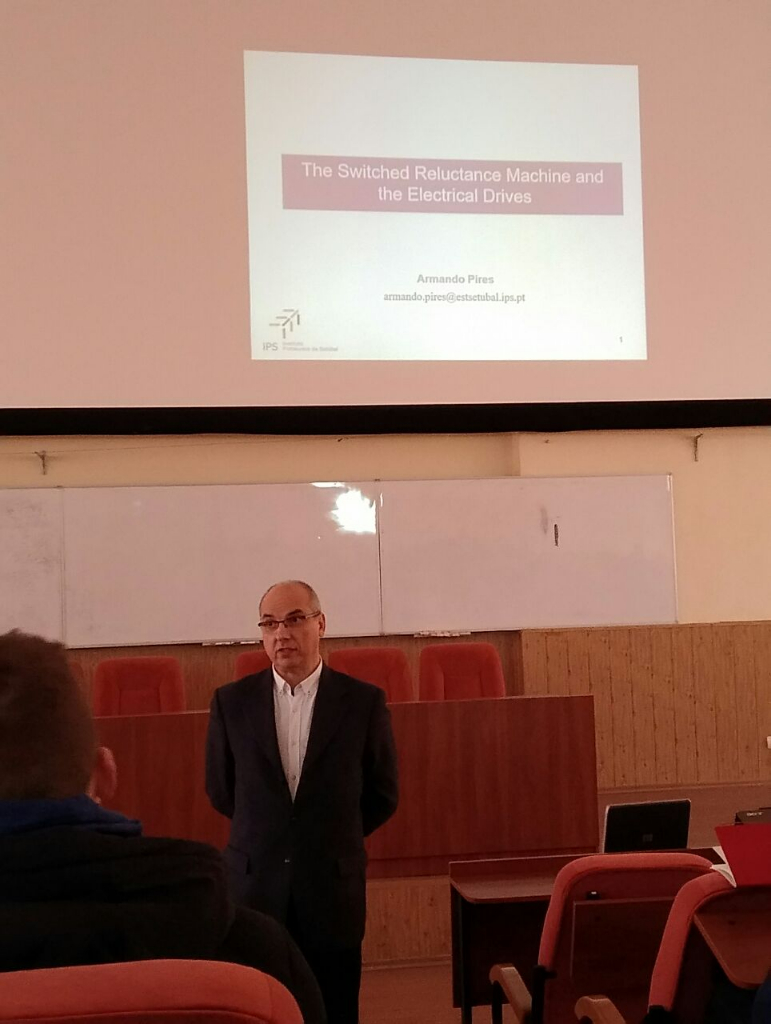
- The switched reluctance machine (SRM) and the electrical drives – Armando Pires, publications)
- Polytechnic Institute of Setubal (Portuguese Republic).
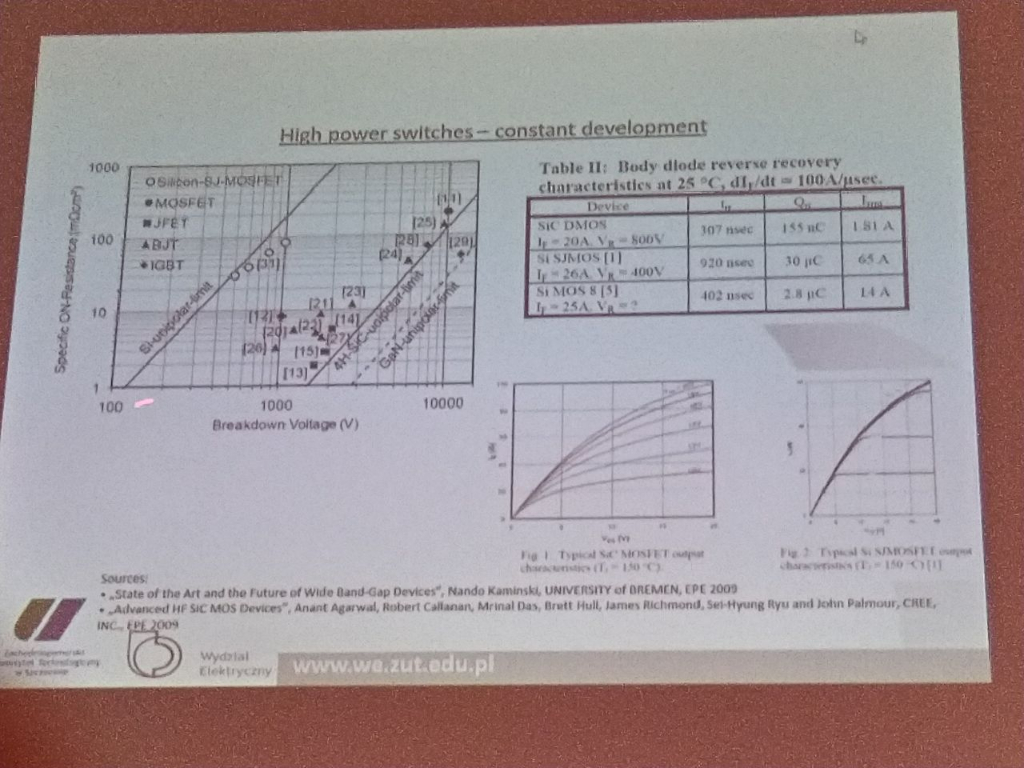
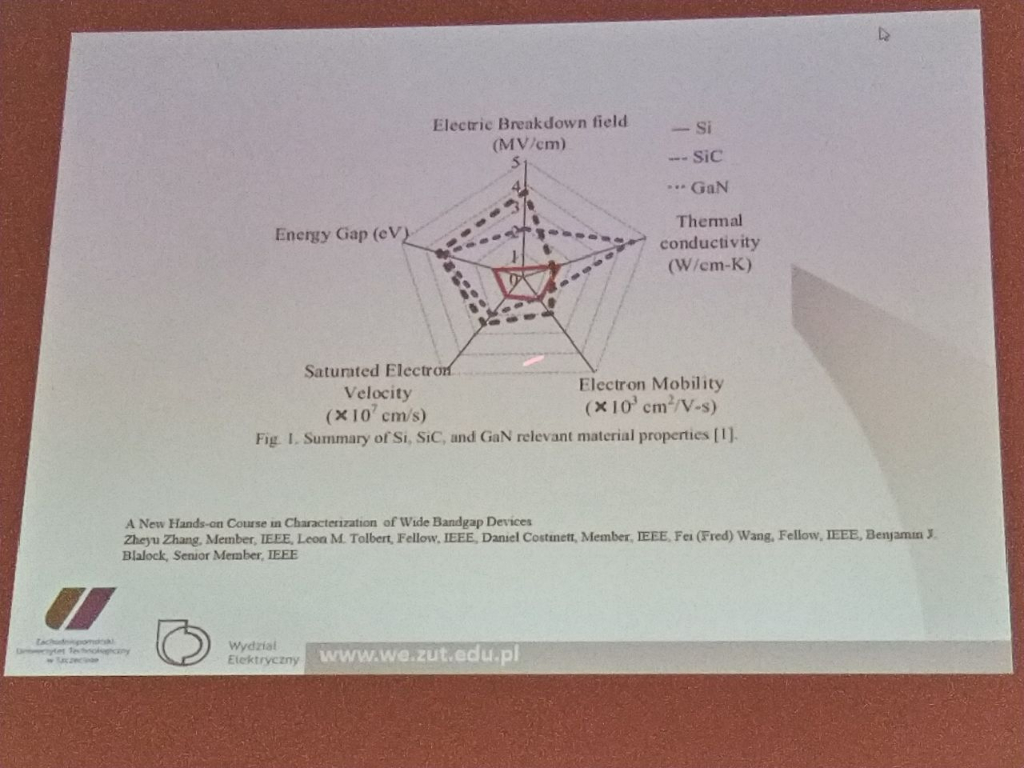
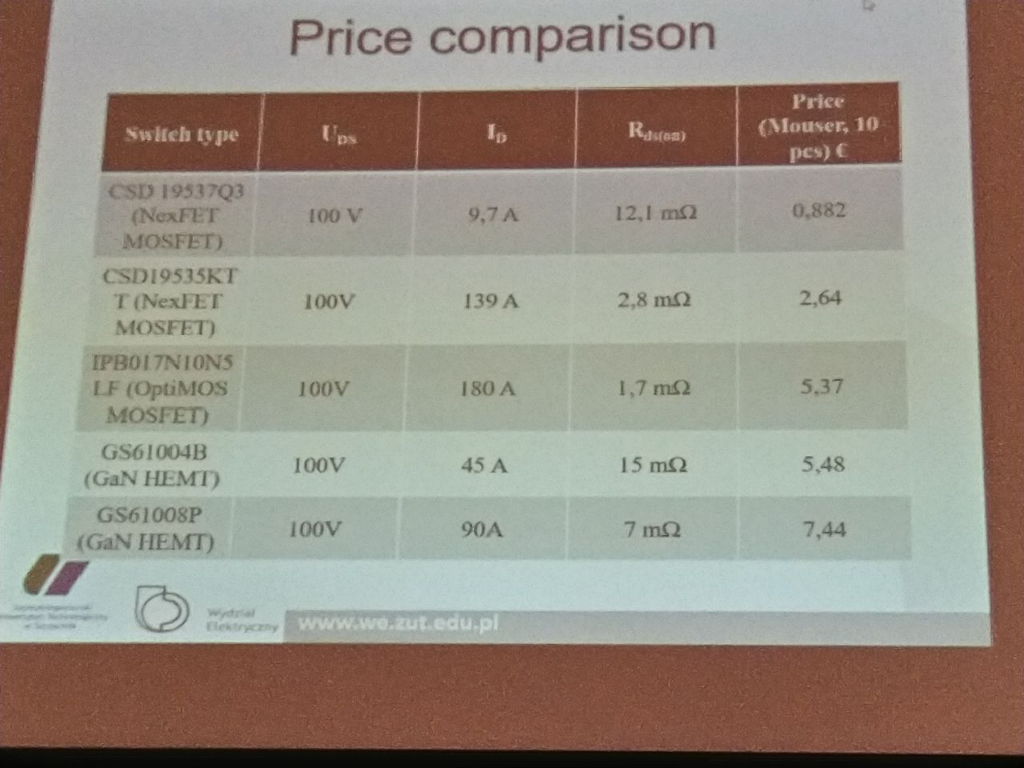
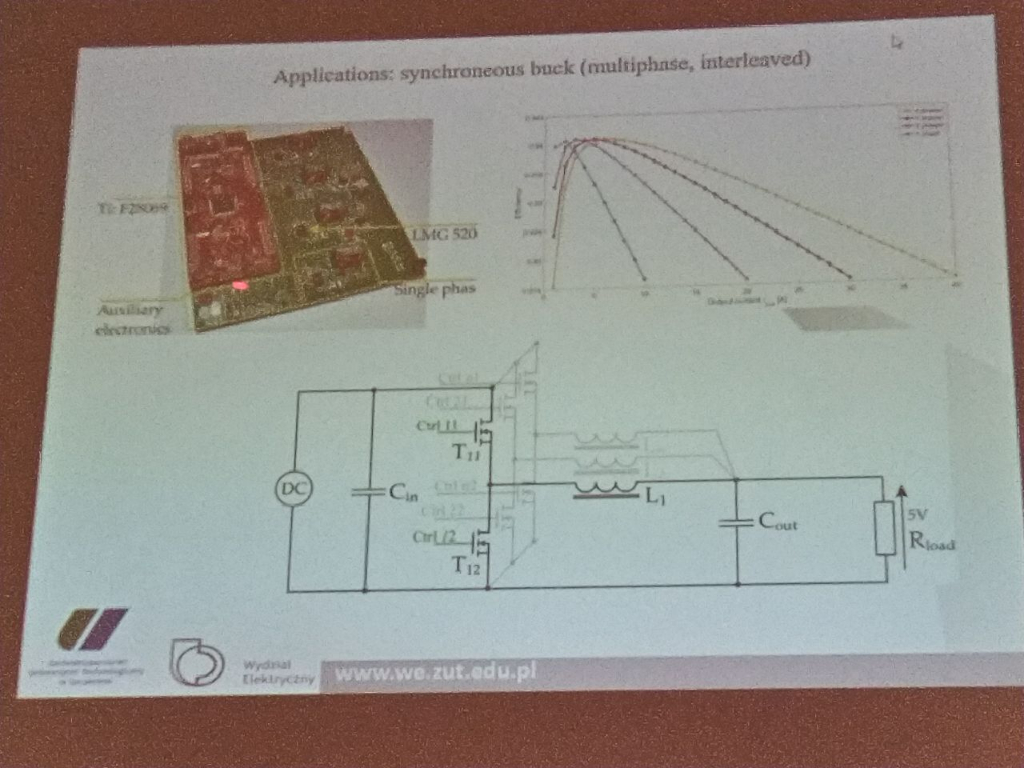
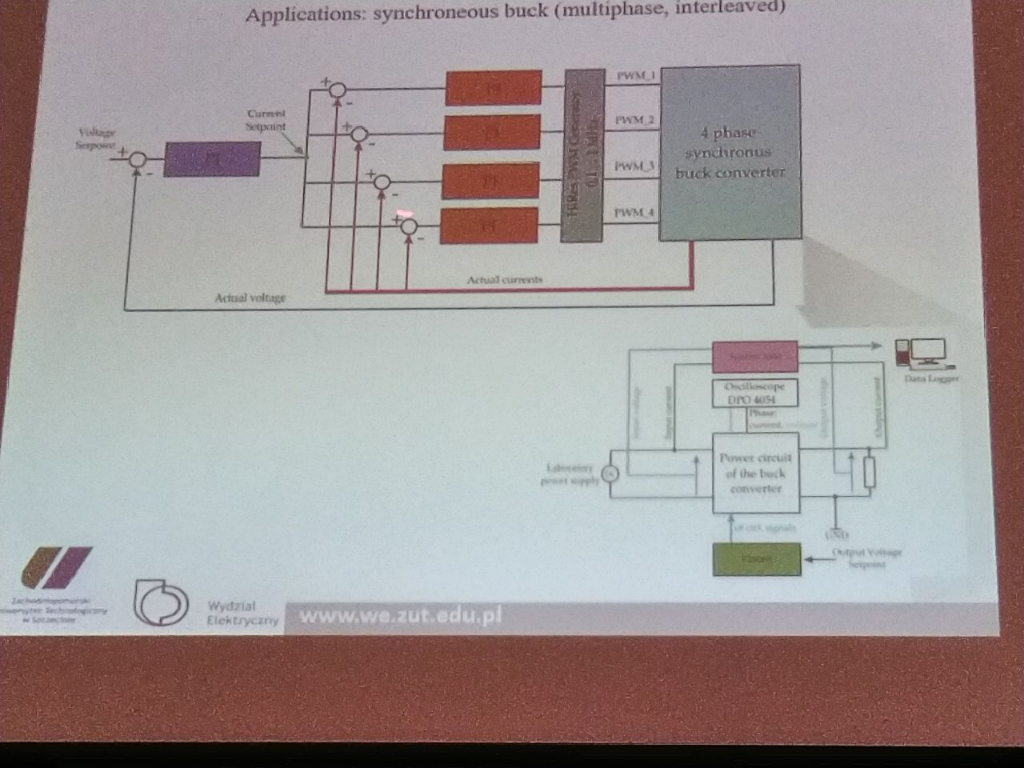
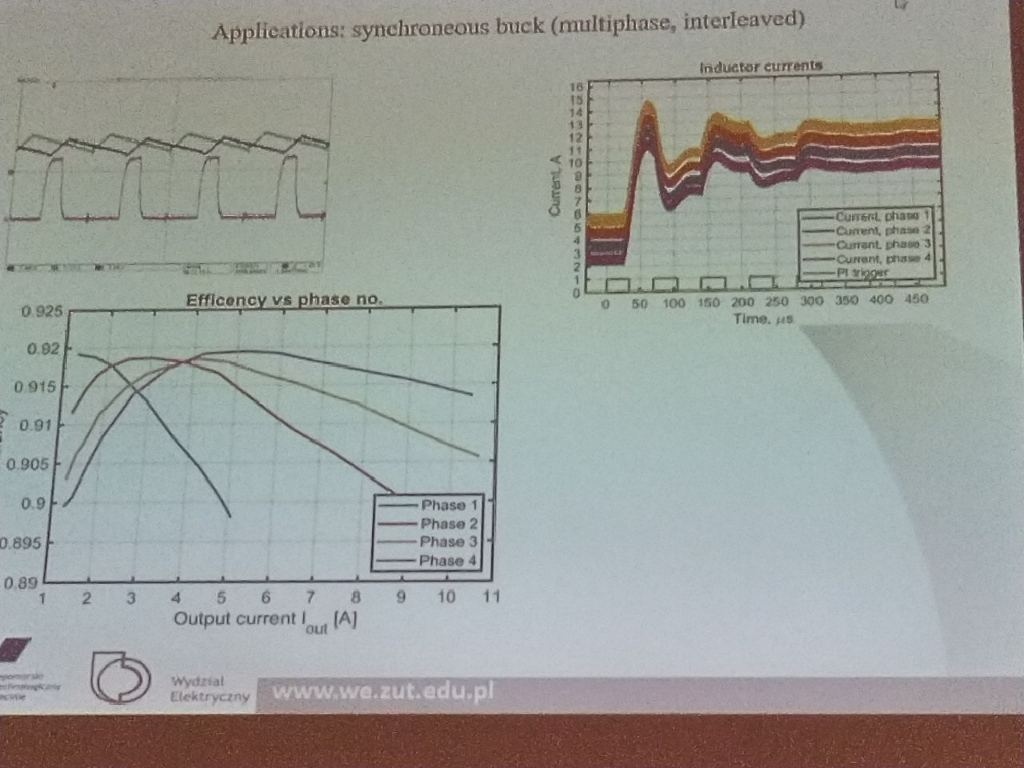
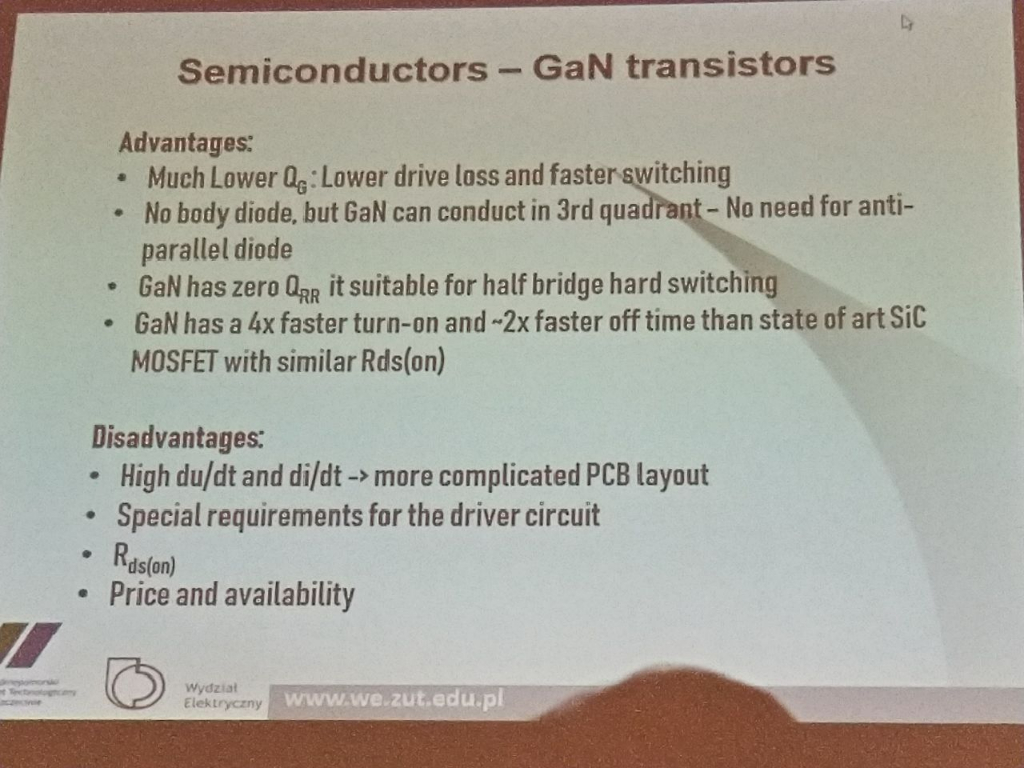
- a) GaN – the new semiconductor; b) electromobility – Marcin Holub, publications)
- Western Pomeranian University of Technology, Szczecin, Republic of Poland.
Our special attention is attracted by lectures # 2 and # 3b, because they are directly related to our specialization.
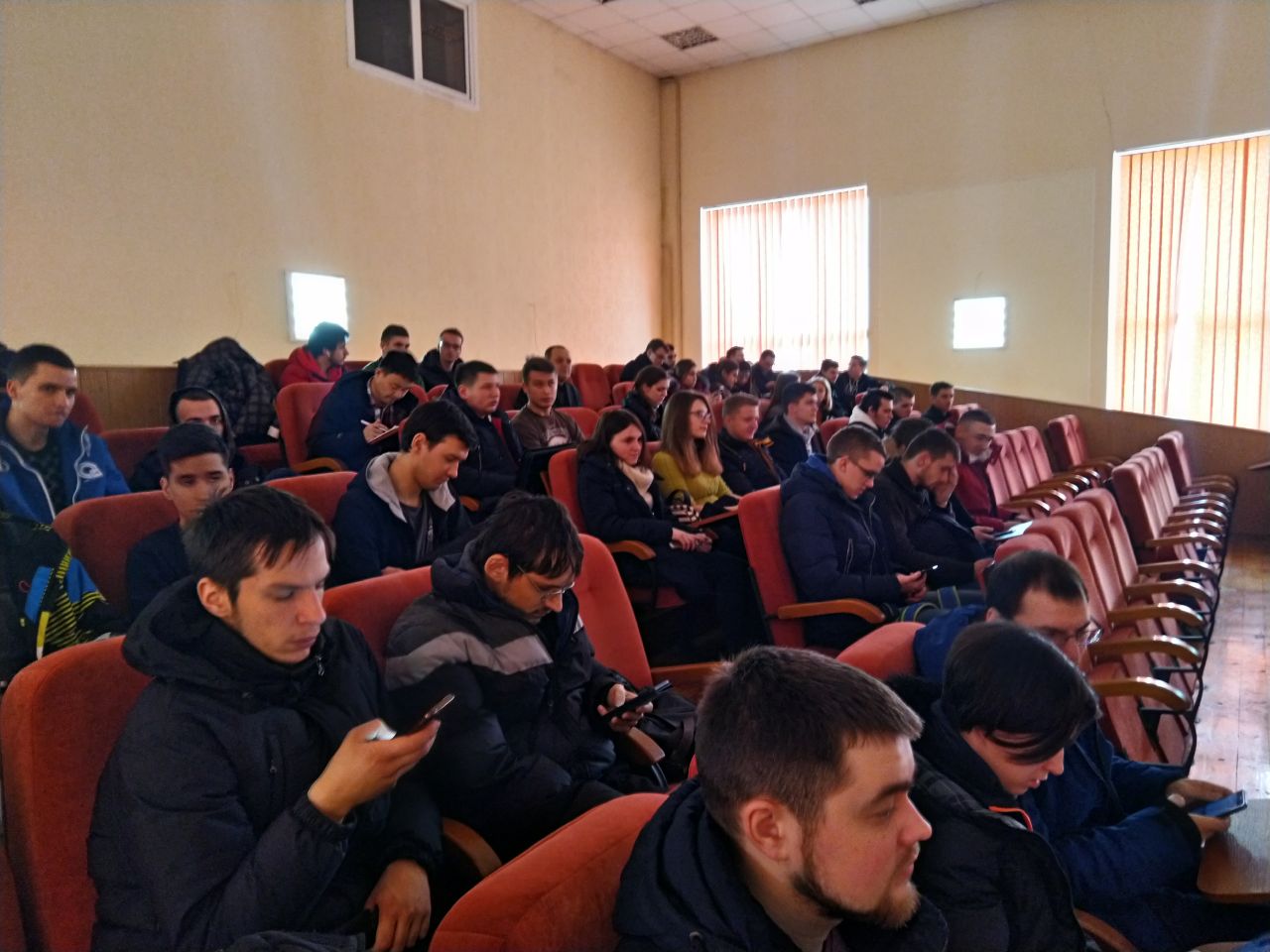
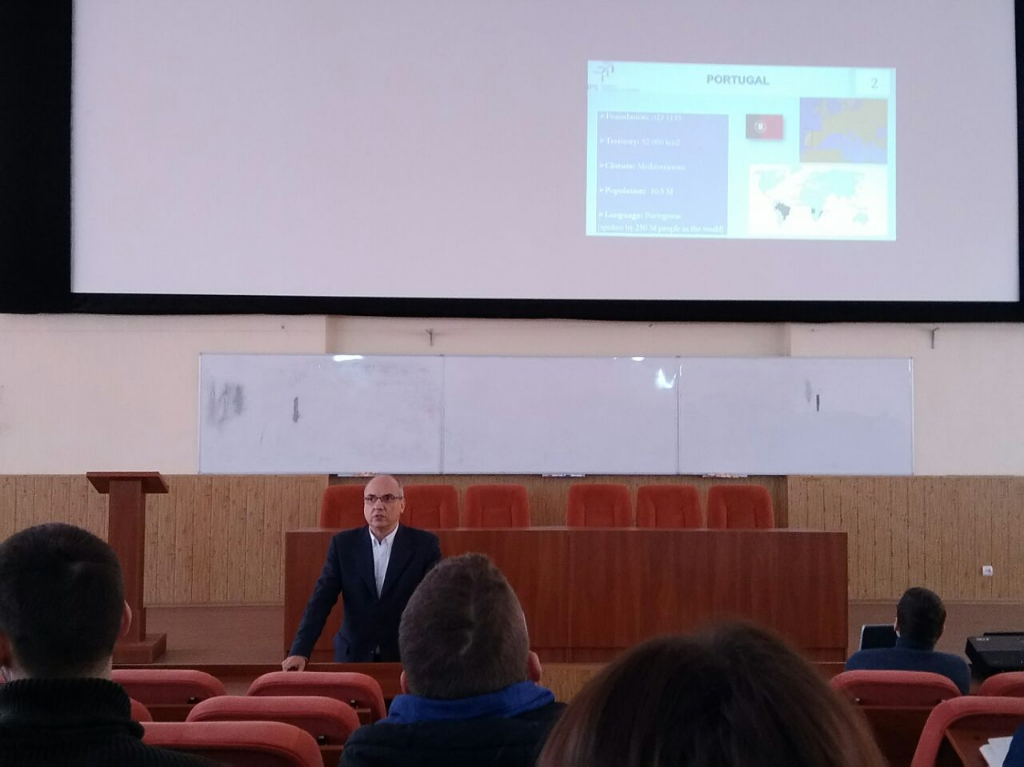
Teacher, students of the 5th year and post-graduate students of the AEMS-ED department at the lecture in the assembly hall of the Faculty of Electronics
Lecture content.
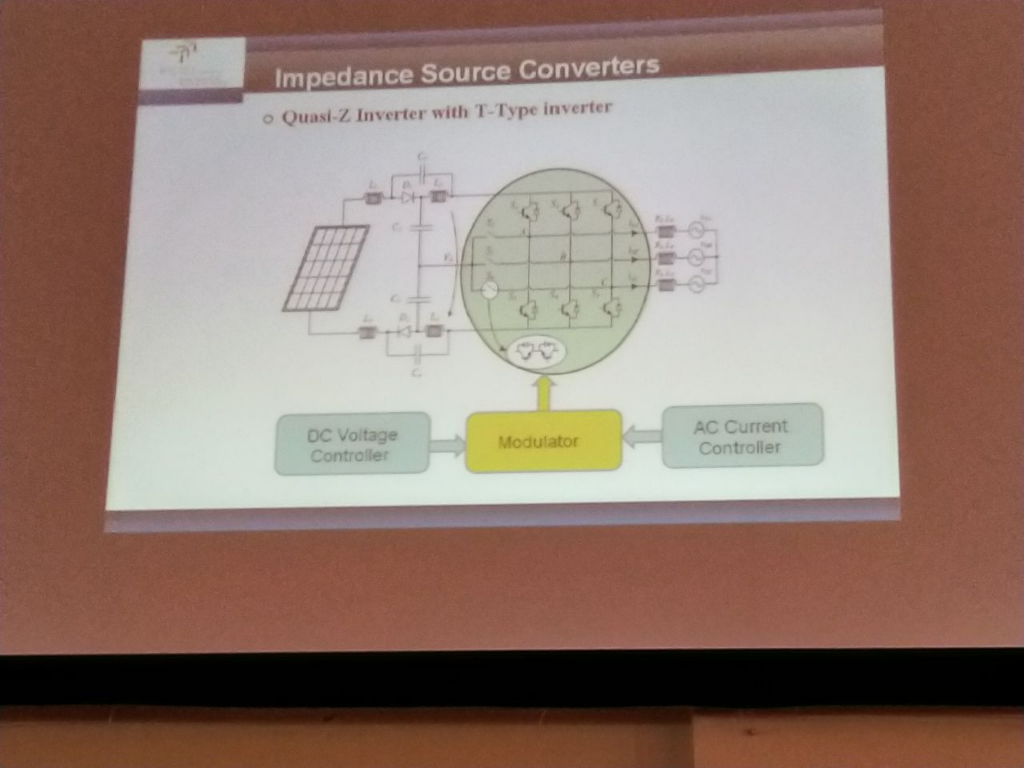
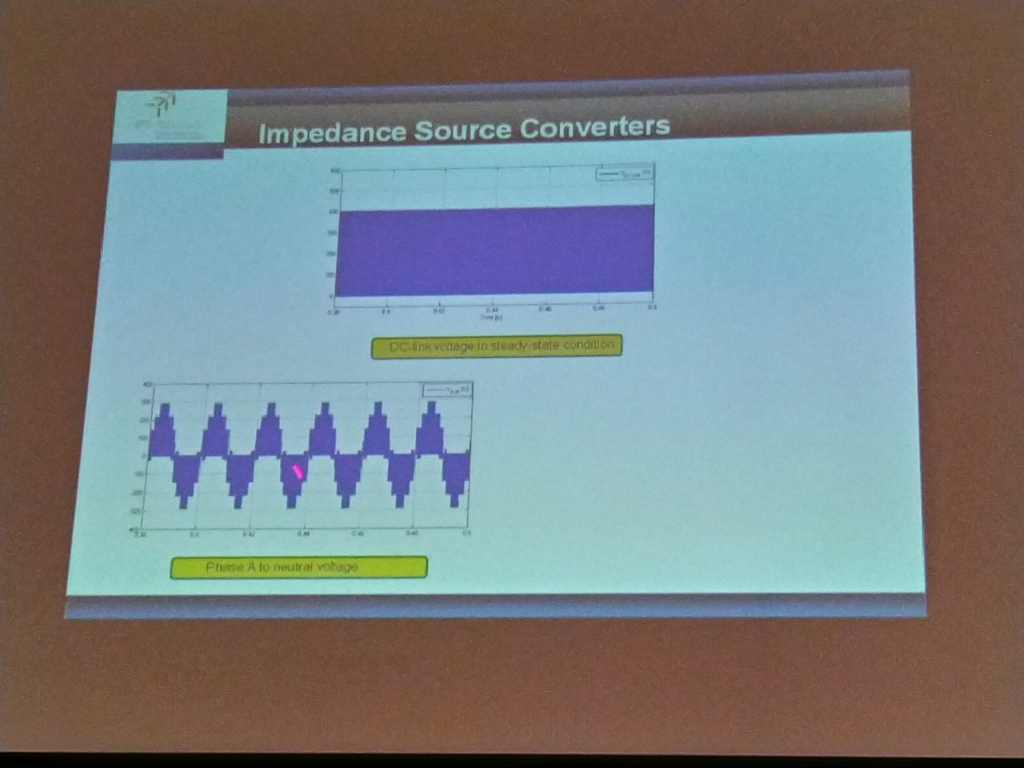
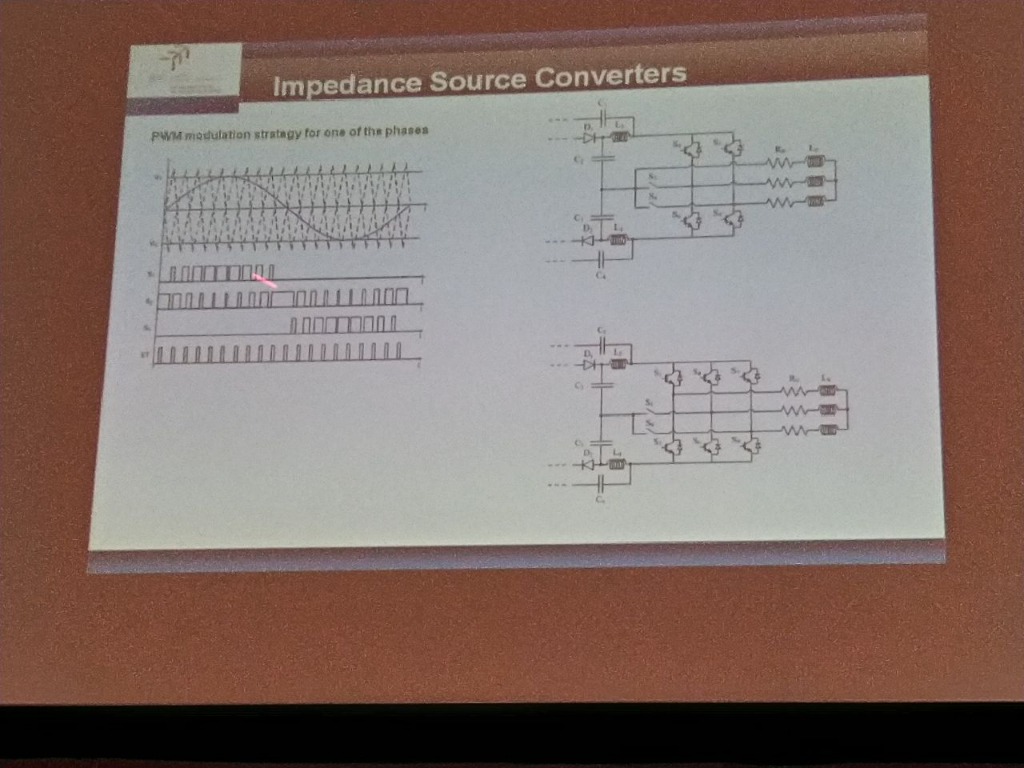
1. Victor Pires said about:
a) new achievements in the development of converters new topologies – quasi-Z inverter with three-phase T-type inverter – for use in photovoltaic panels;
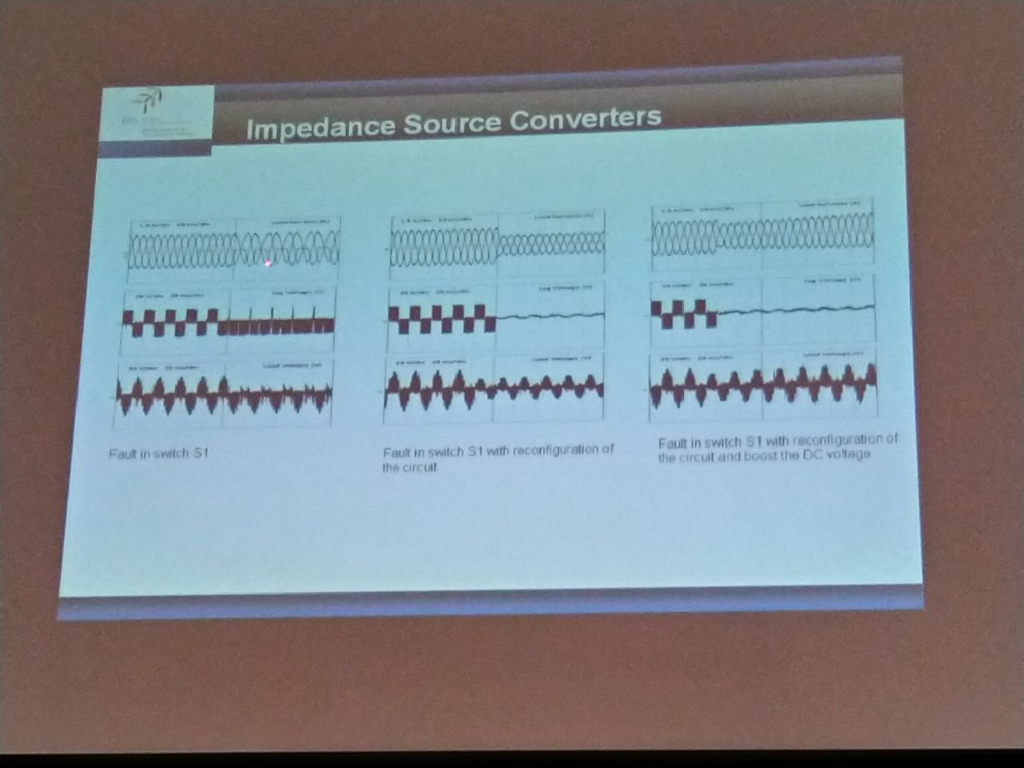
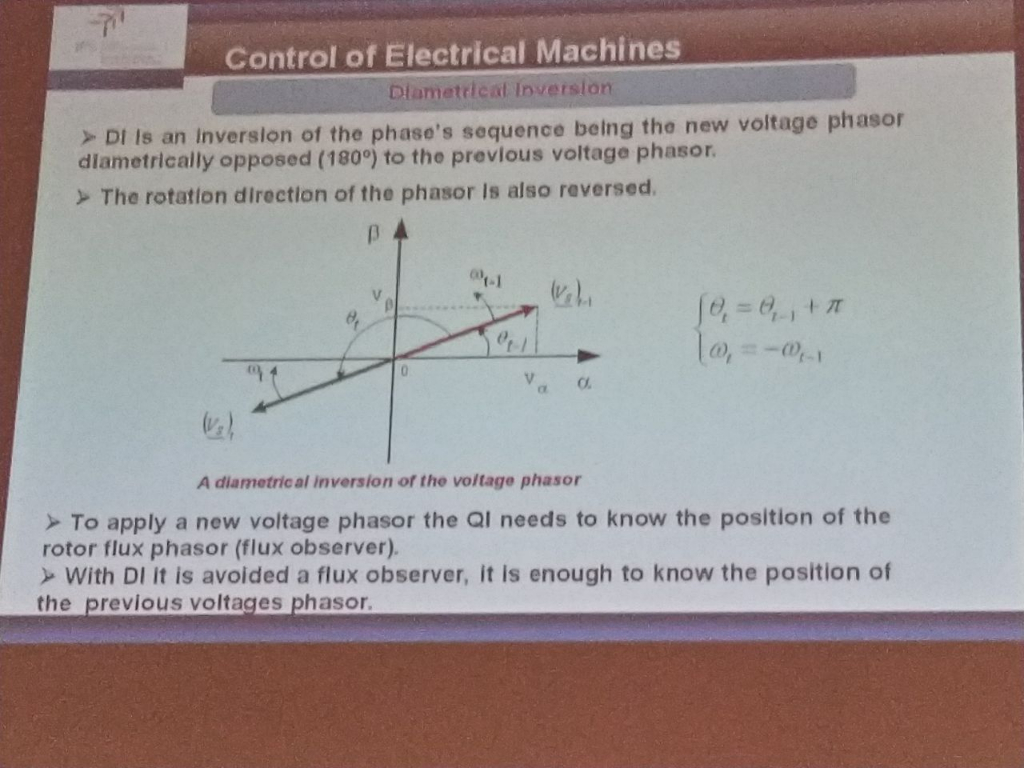
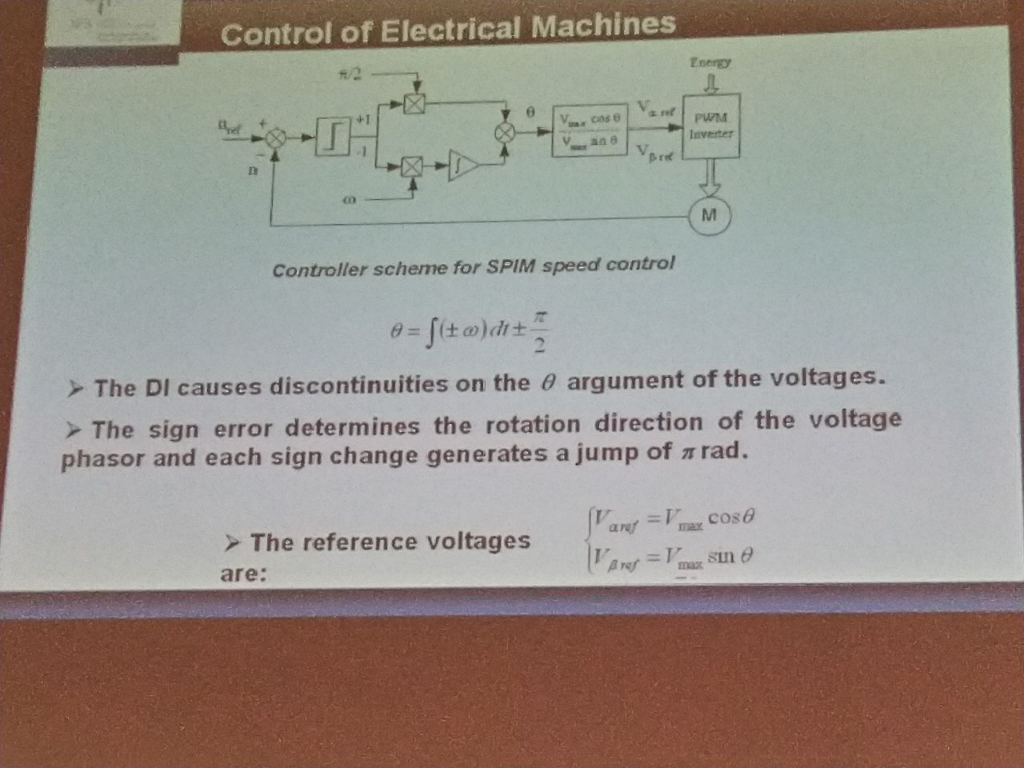
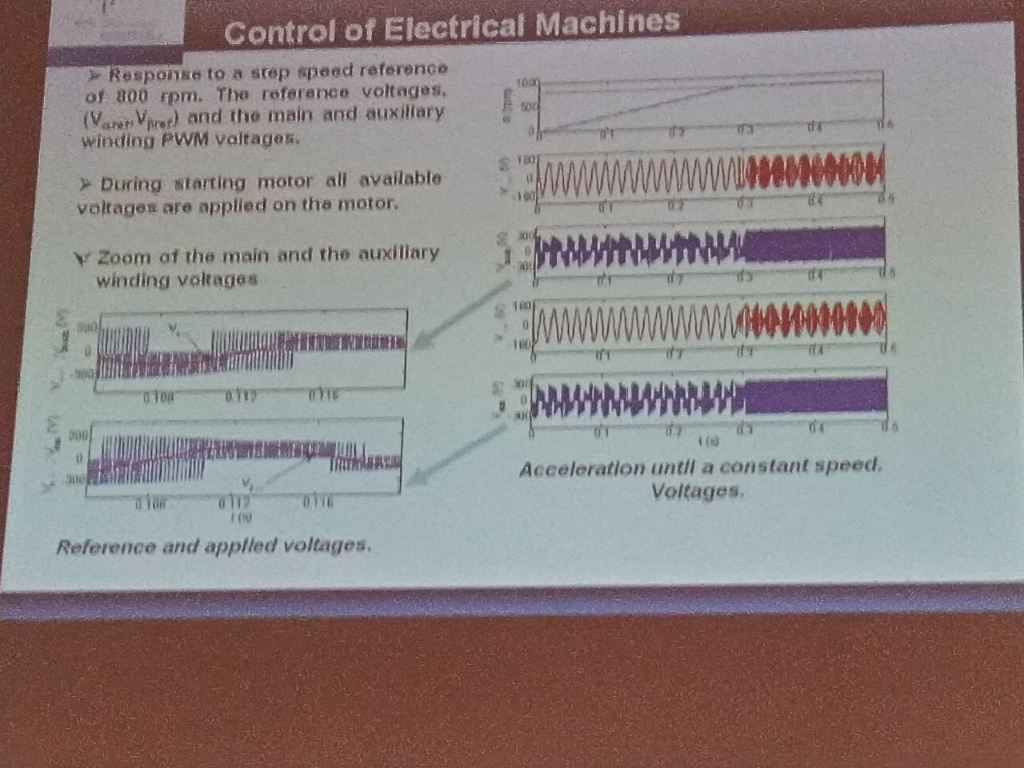
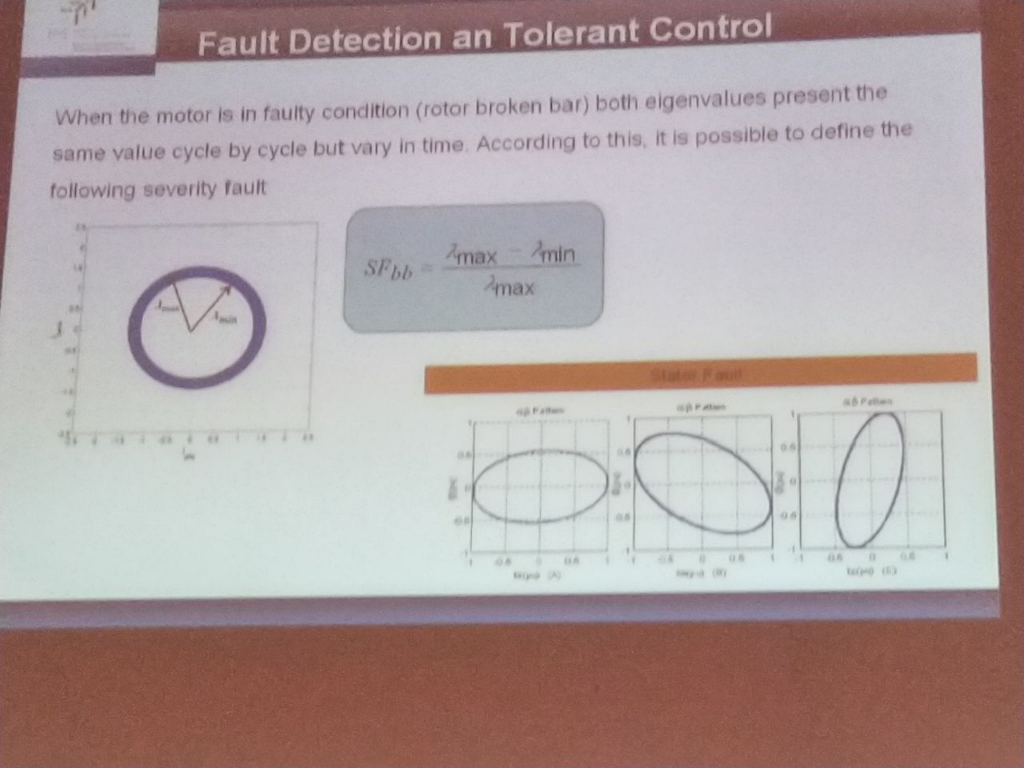
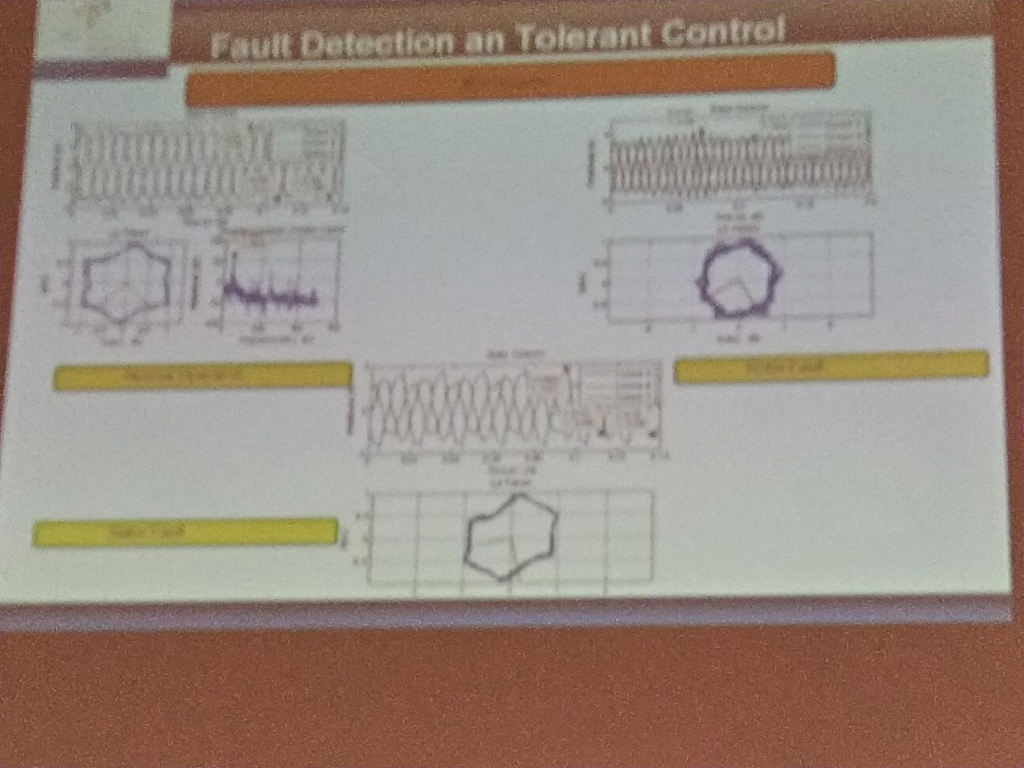
b) fault detection and tolerance control – a very simple method for tracking the false state of three-phase motors by measuring the summary current vector.
Photographs from the 1st lecture
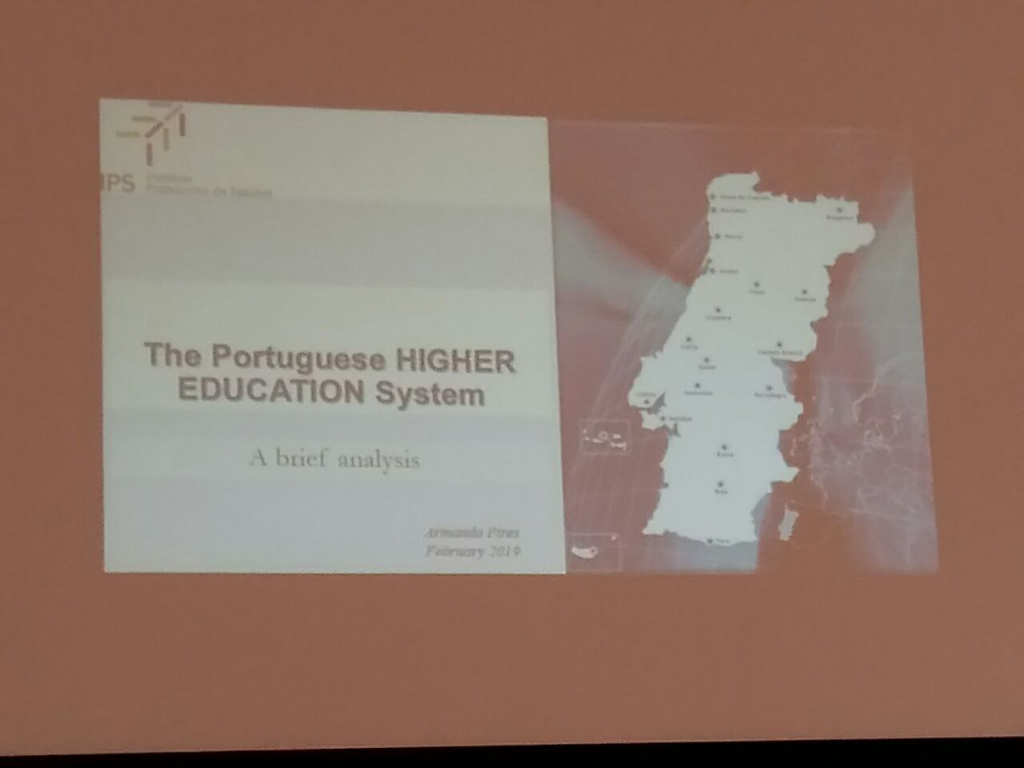
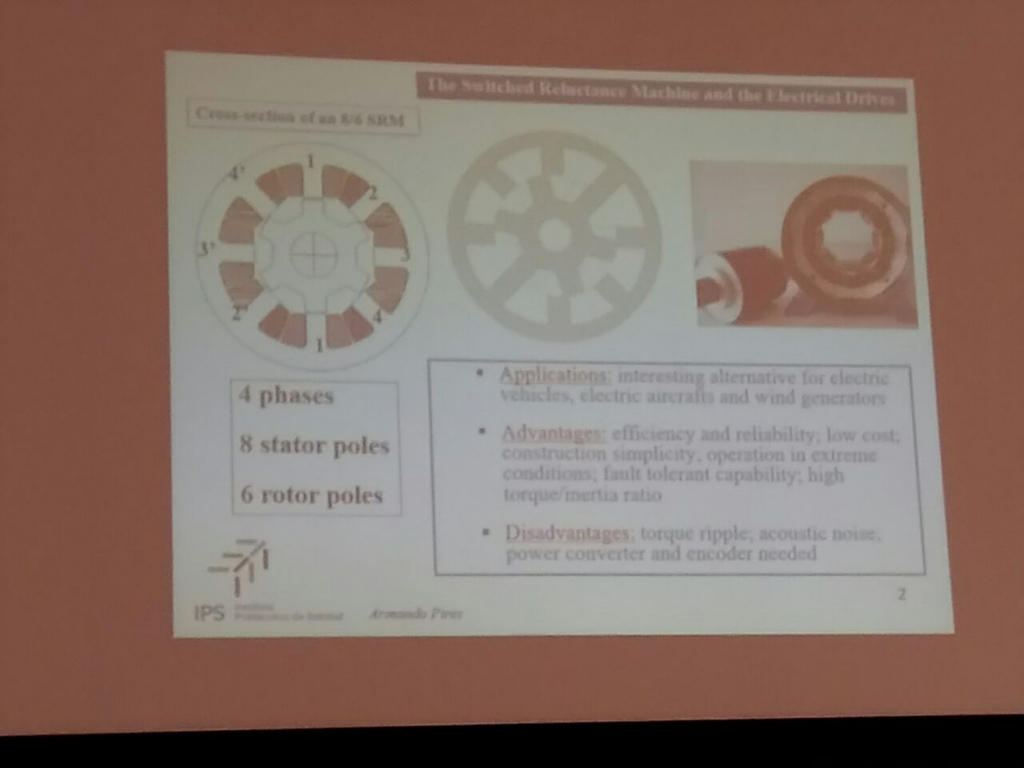
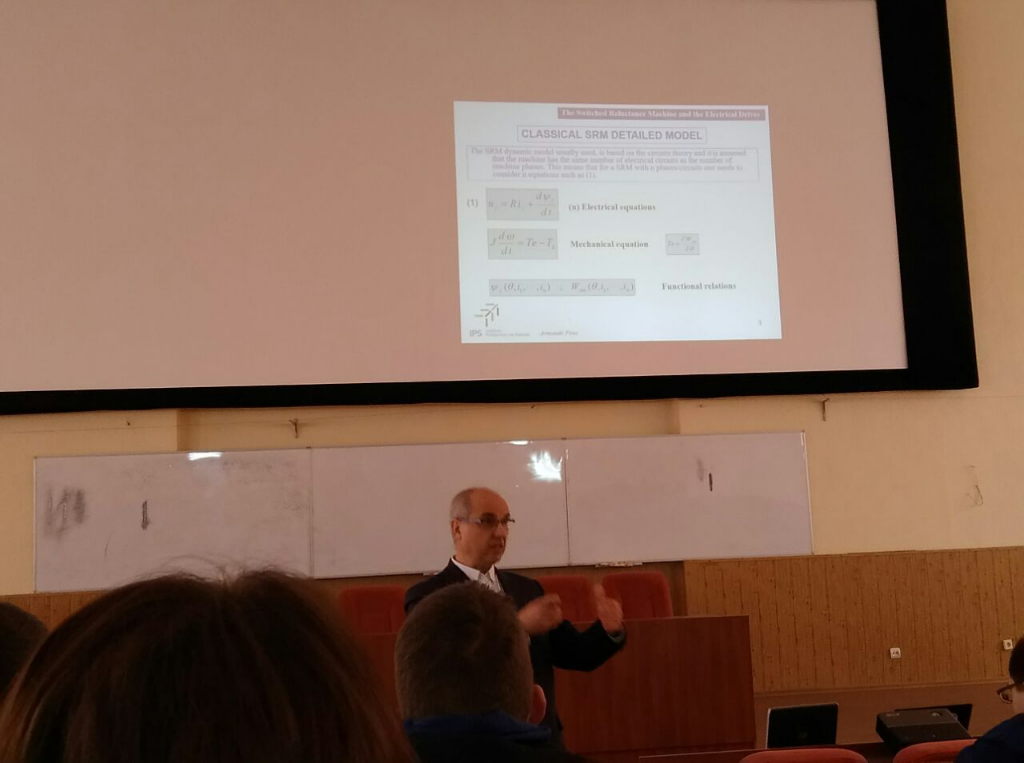
2. Armando Pires said about:
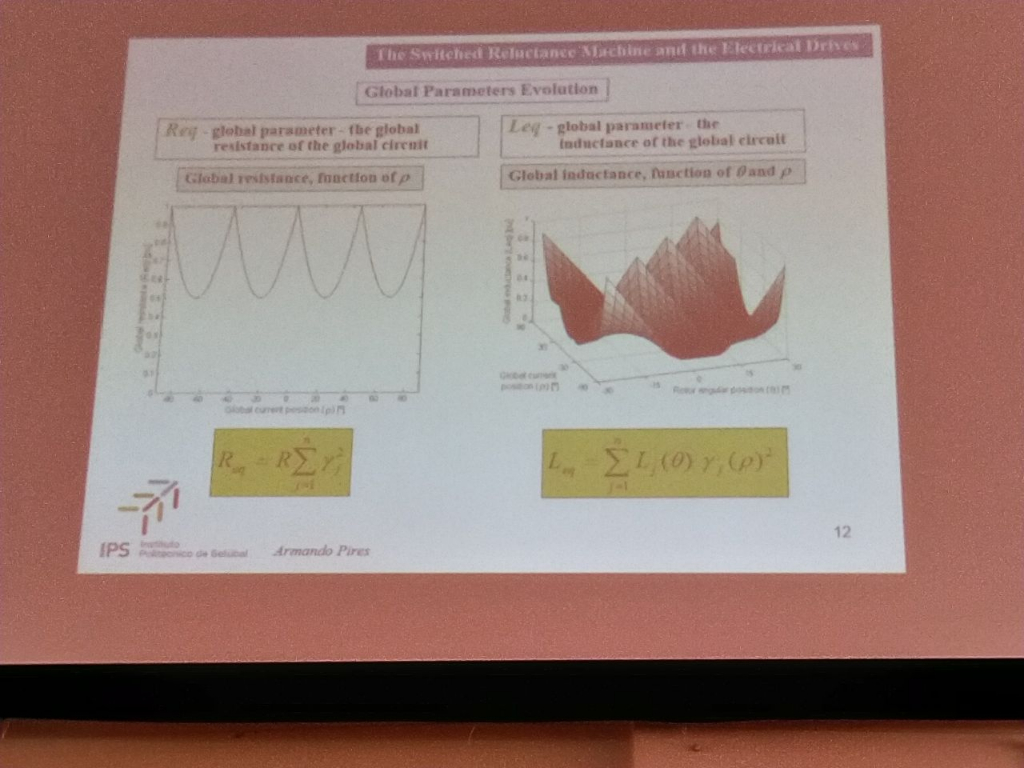
a) Innovative developments in energy efficiency and SRM electric drive control.
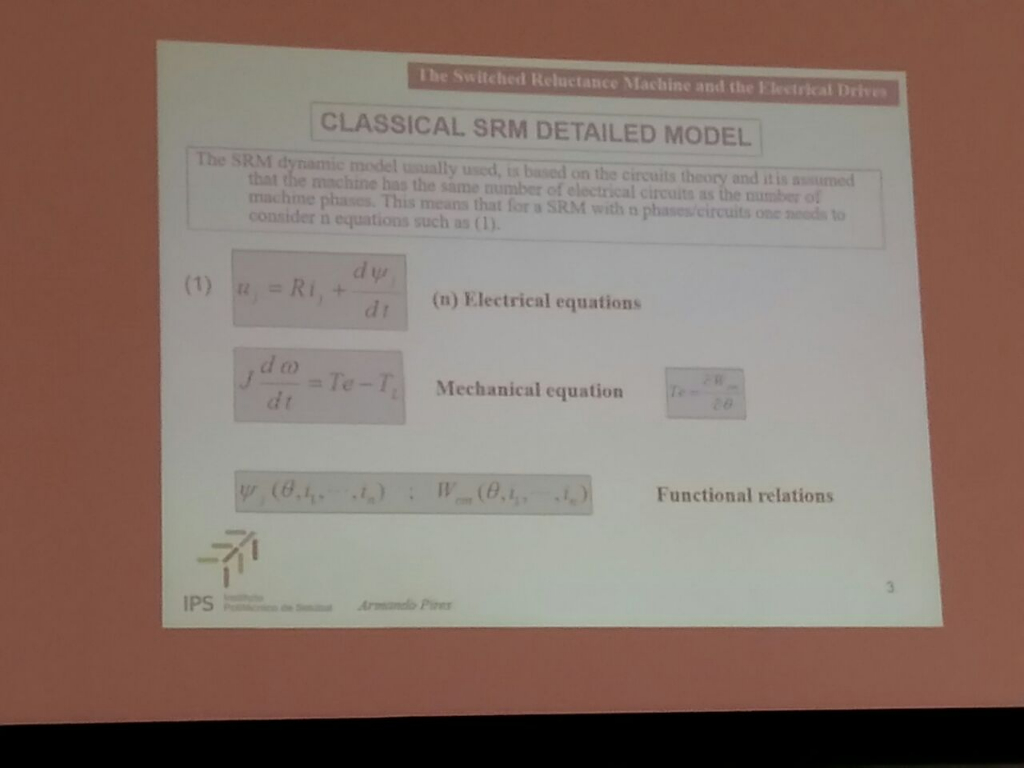
He applied the principle of coordinate transformation in a way that simplified the model of two-pole SRM consisting of three equations for currents and two for volatges – up to two spatial (equivalent) equations of current and voltage.
This ensures simplification of the model to quasi-single-phase. That is, the control of the engine reduces to the control of one stator winding (although physically three of them, and at one time only one should work, and the rest – must be disconnected from the supply).
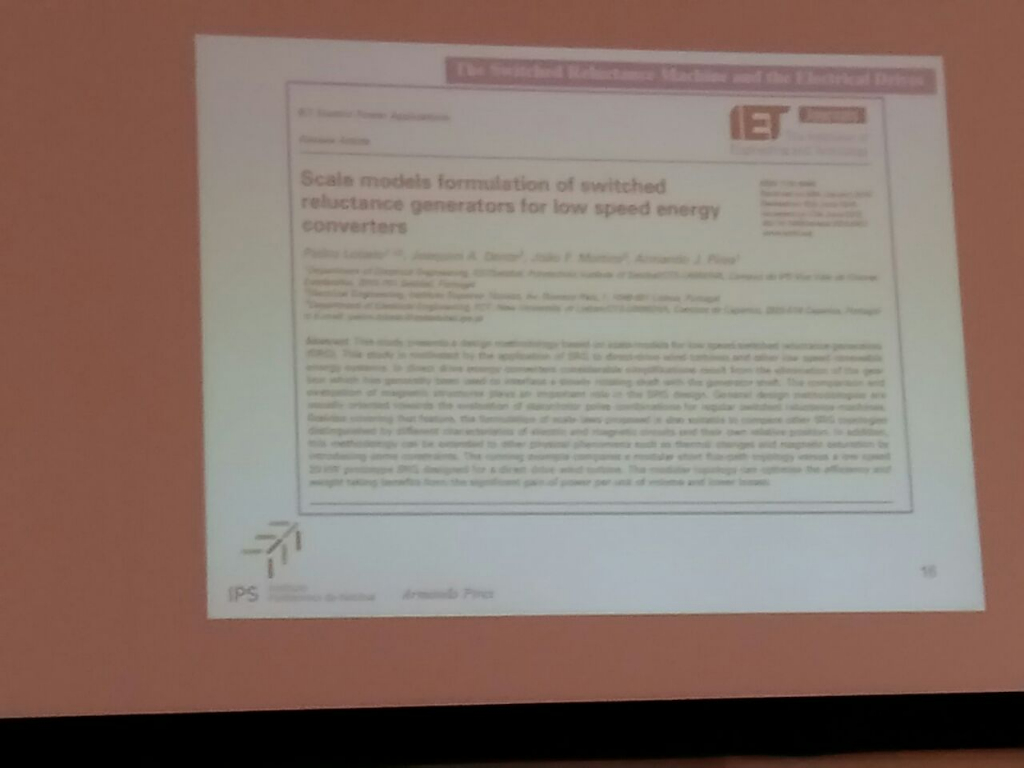
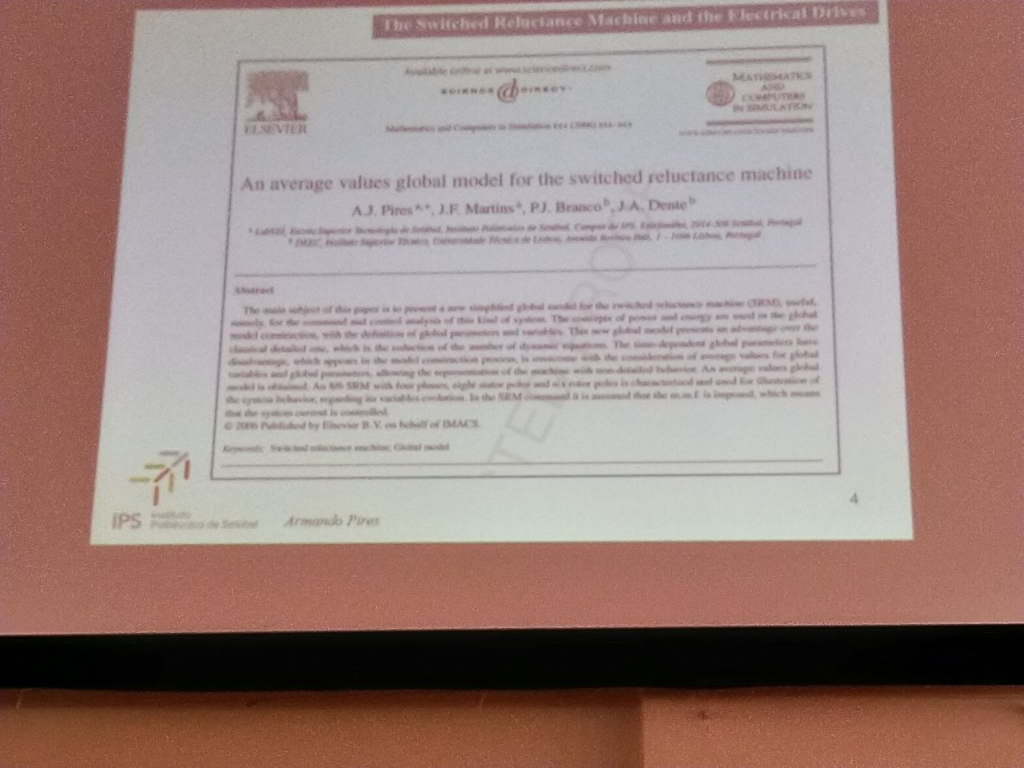
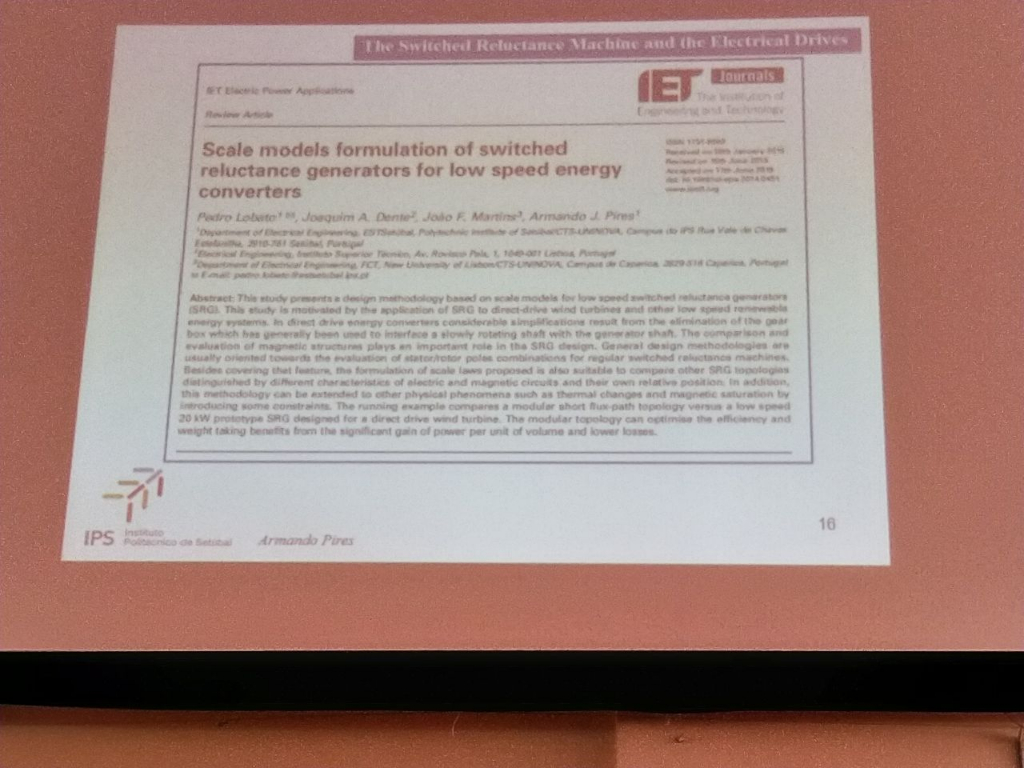
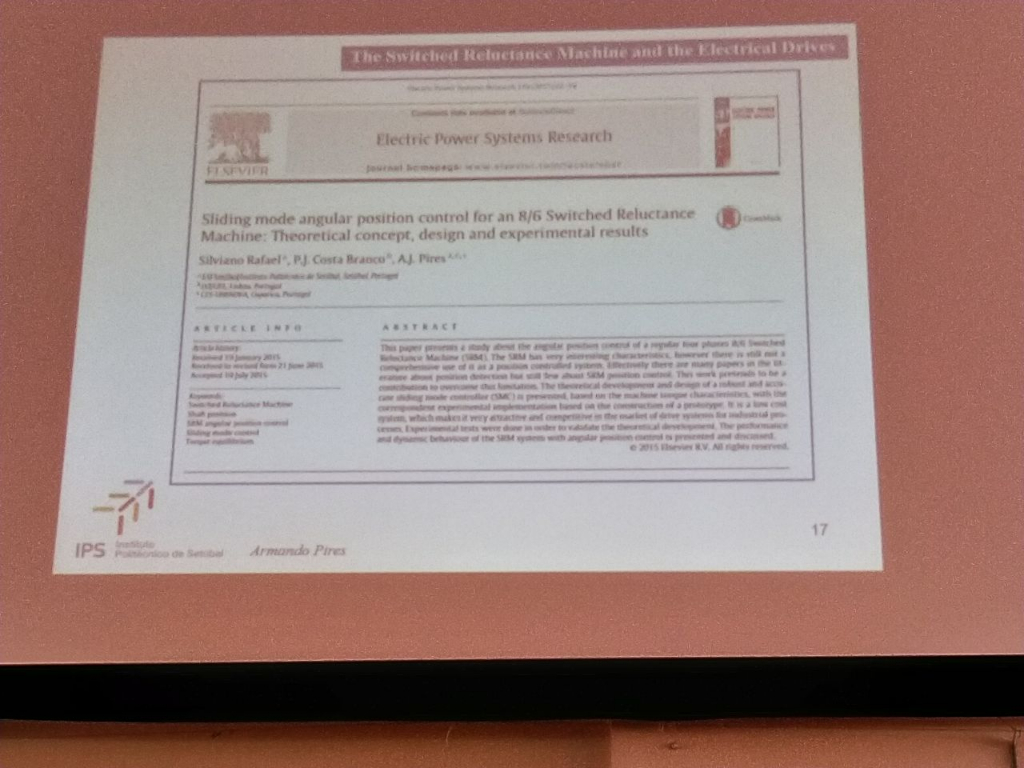
The proposed method has been experimentally verified – see the articles in the photographs, and provides a smooth control of the machine torque, which is very relevant, because several decades in the world this SRM problem has not been resolved.
It should be noted that this type of engine is cheaper and easier to manufacture for synchronous motors with permanent magnets, and it can become as widespread in the future. Now their place of manufacture is very rare.
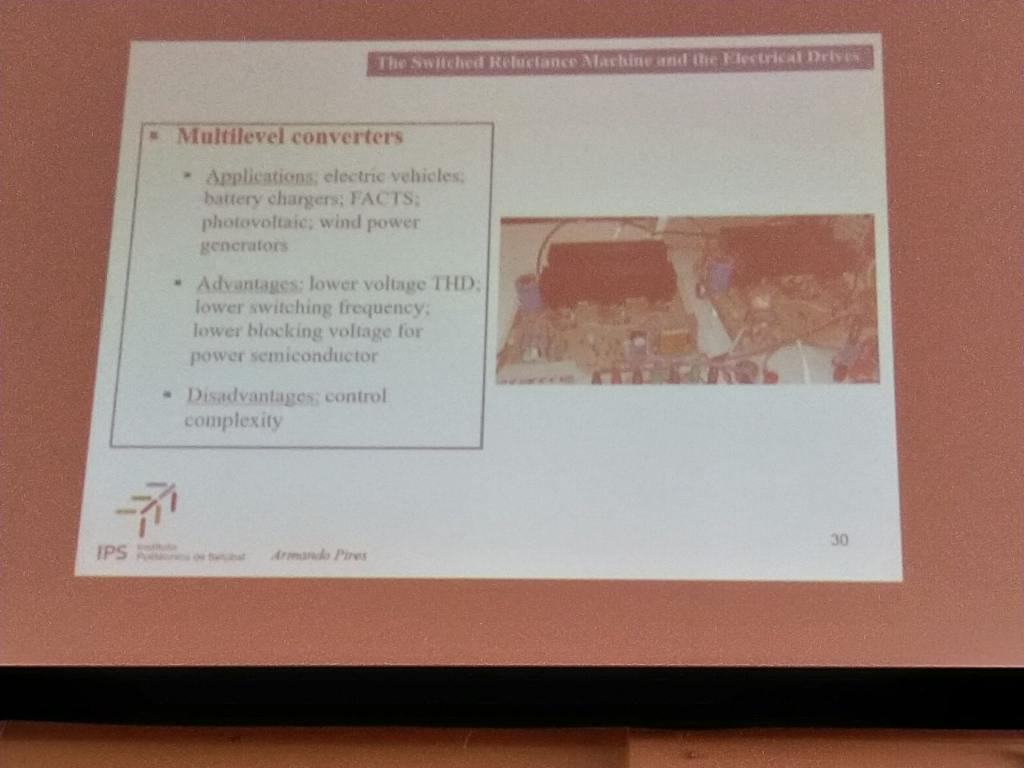
b) A. Pires also paid attention to the problem of multi-level converters control. So called devices are based on a switched energy transformation that does not have two levels of DC voltage (such as typical inverters, rectifiers, and DC-DC converters), rather N-levels of this voltage. N is the number of parallel switched circuits and elements (chokes and capacitors).
From the control point of view, such converters are very complex, since they require synchronous/sinphase switching of parallel branches and measurement of all currents and voltages.
On the other hand, they have a lowered total harmonic distortion coefficient (THD), which improves the power characteristics of the drive and reduces the harmonic composition of the current consumed from the mains.
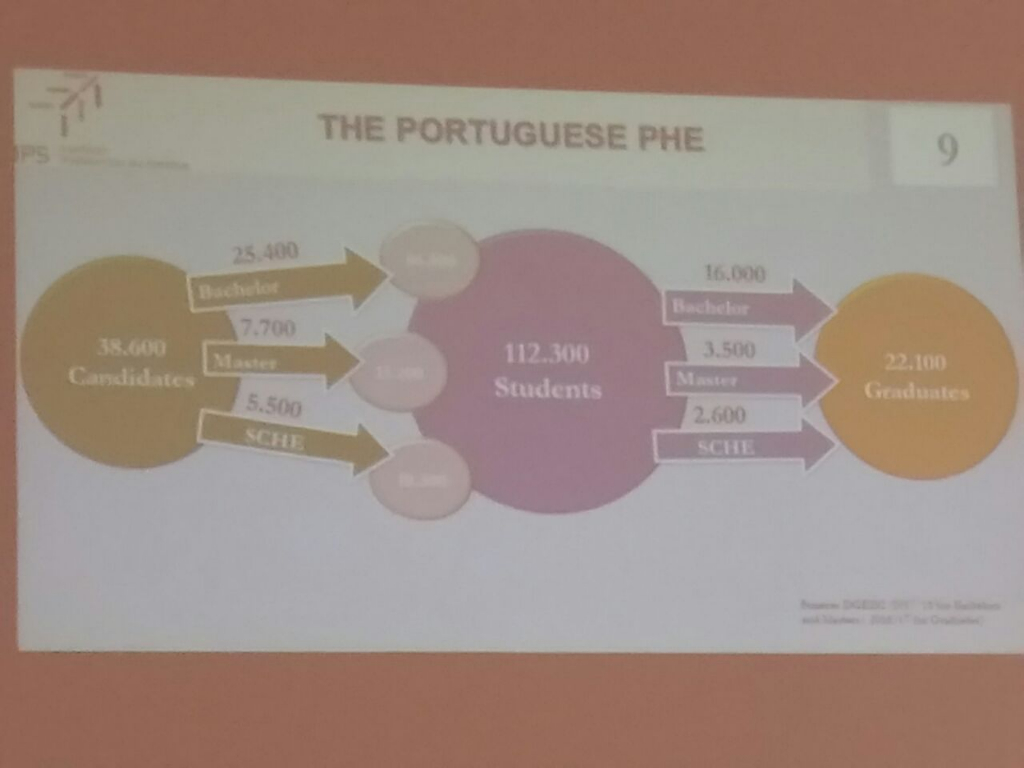
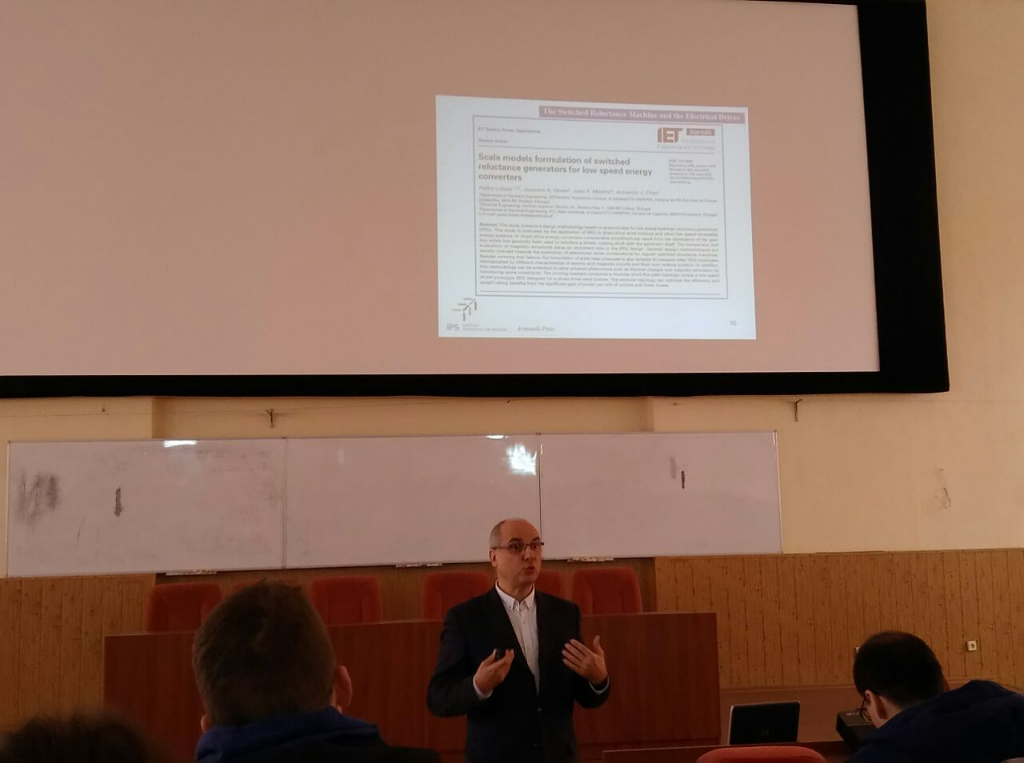
Photographs from the 2nd lecture
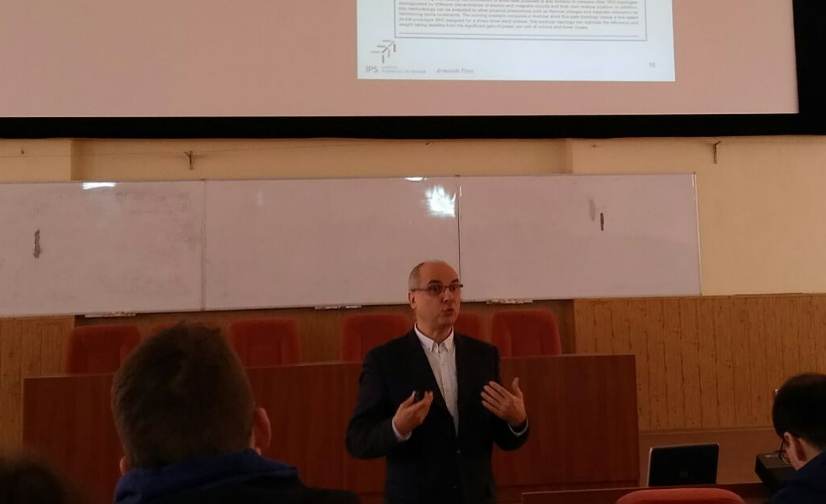
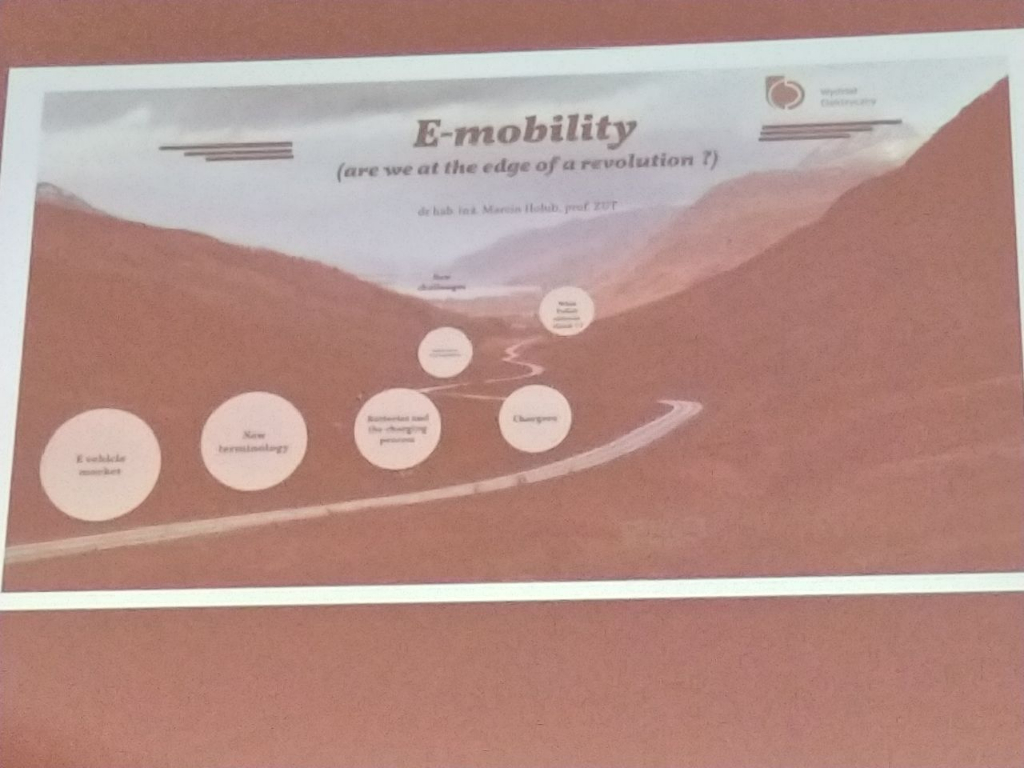
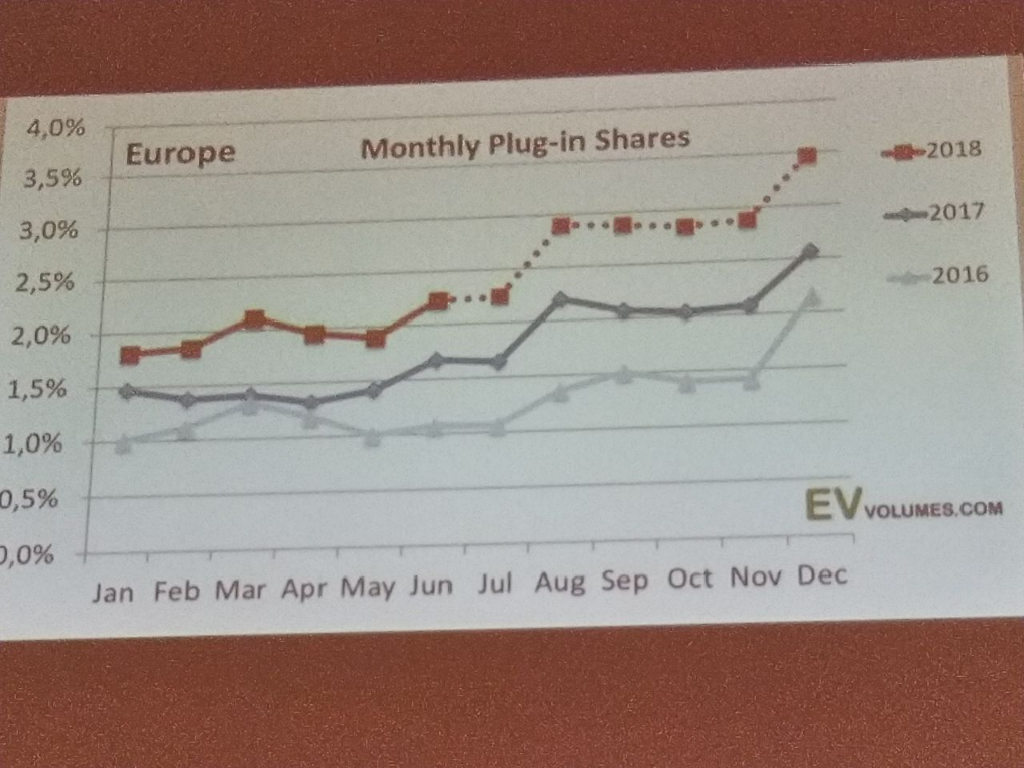
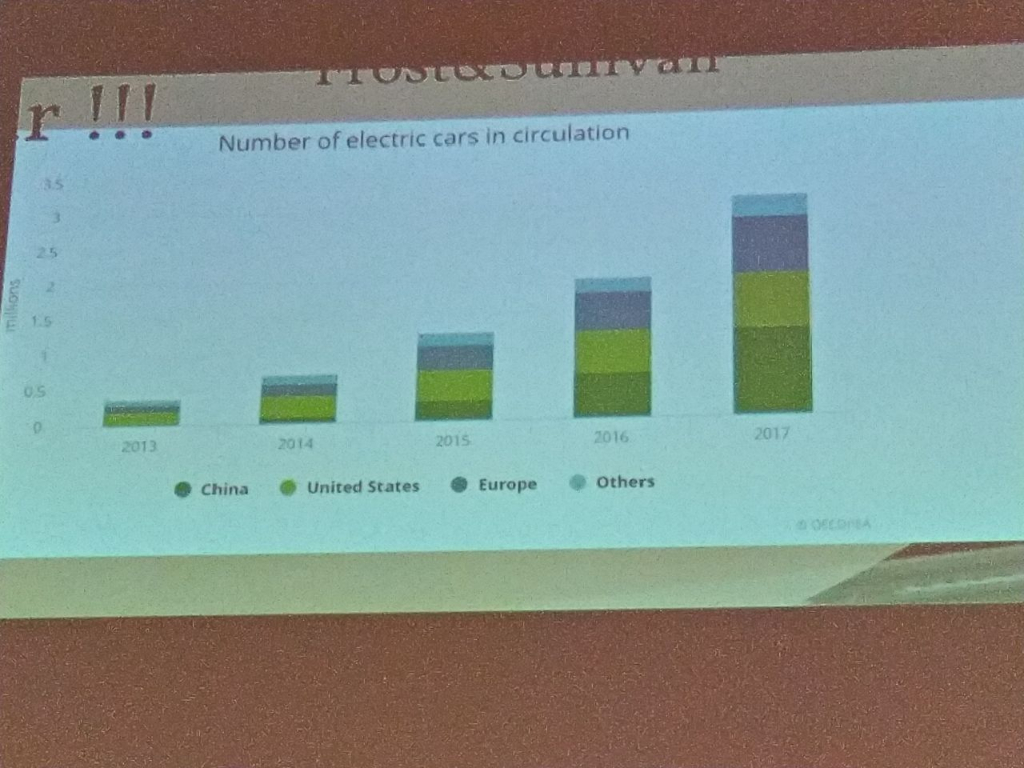
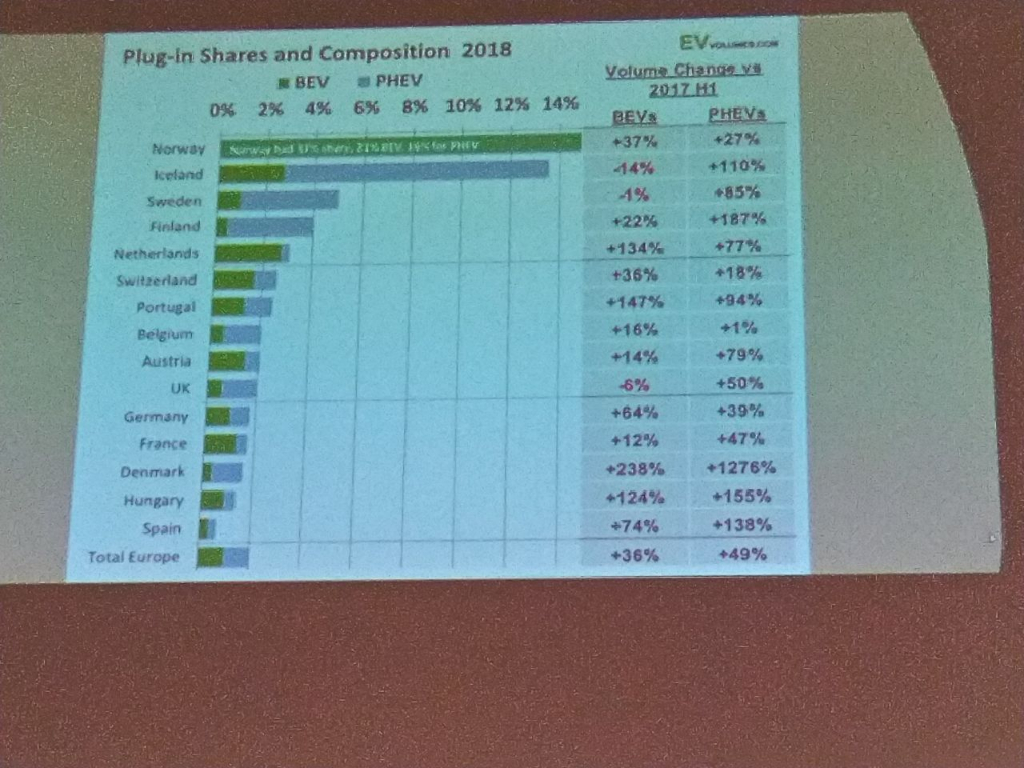
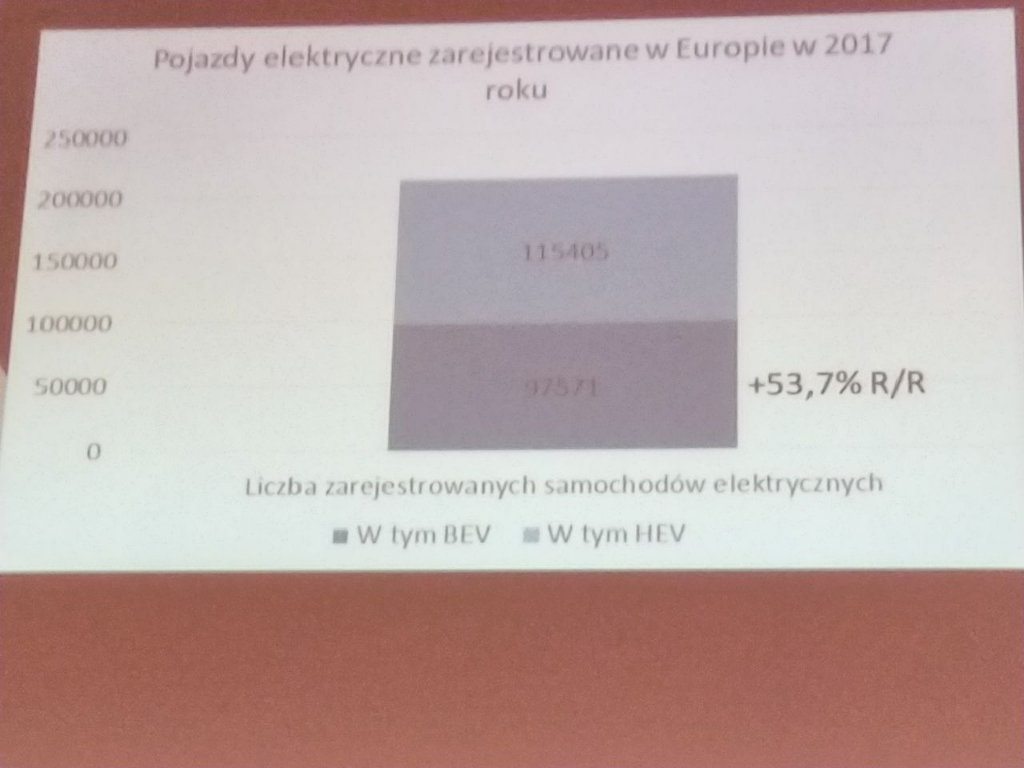
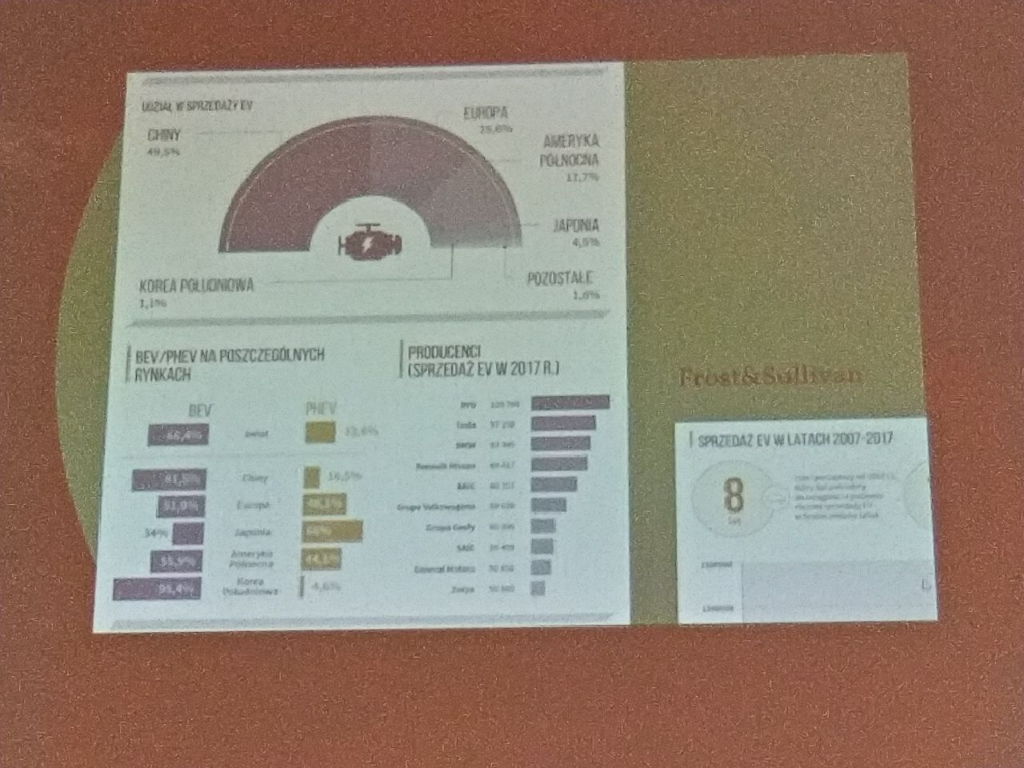
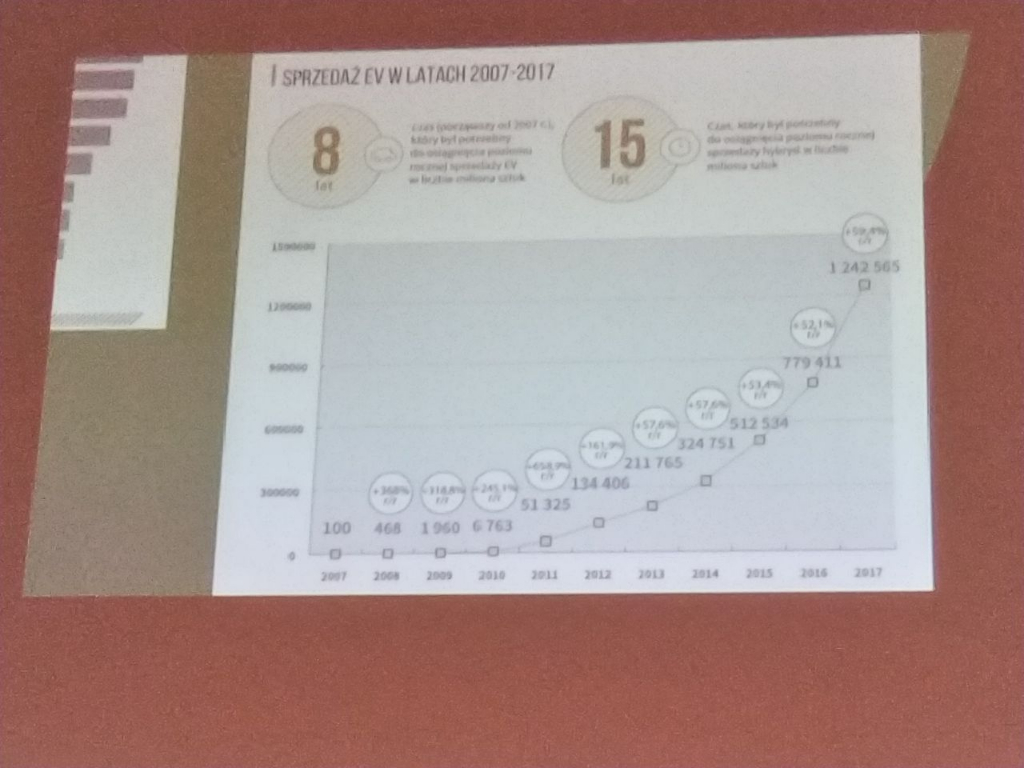
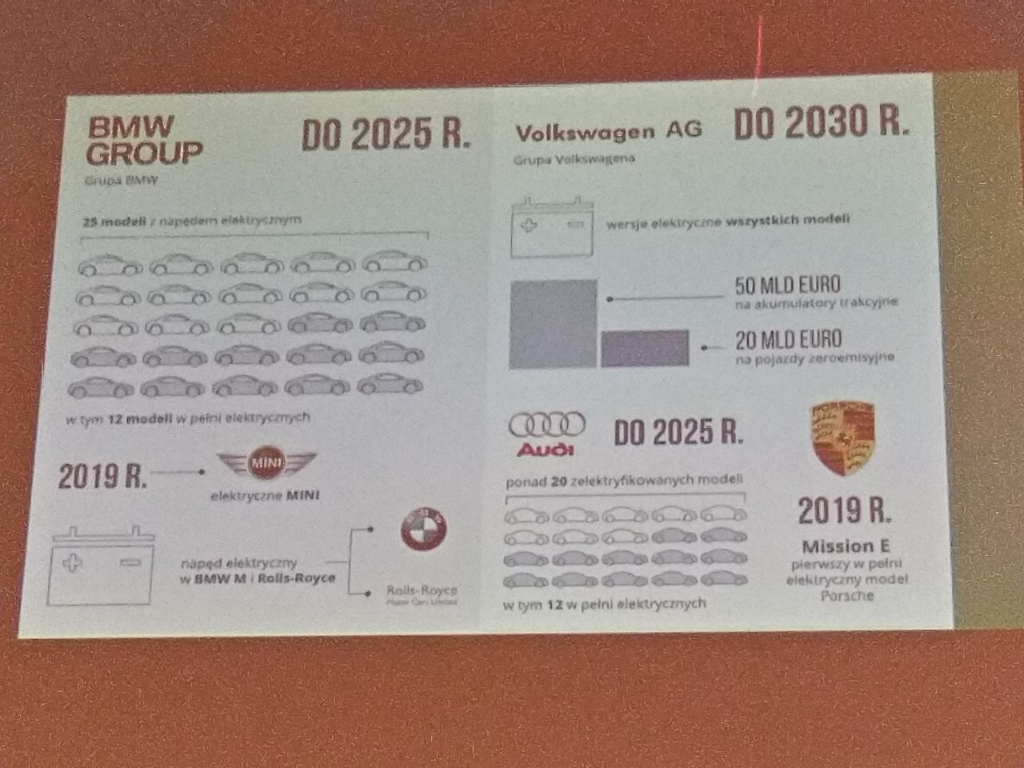
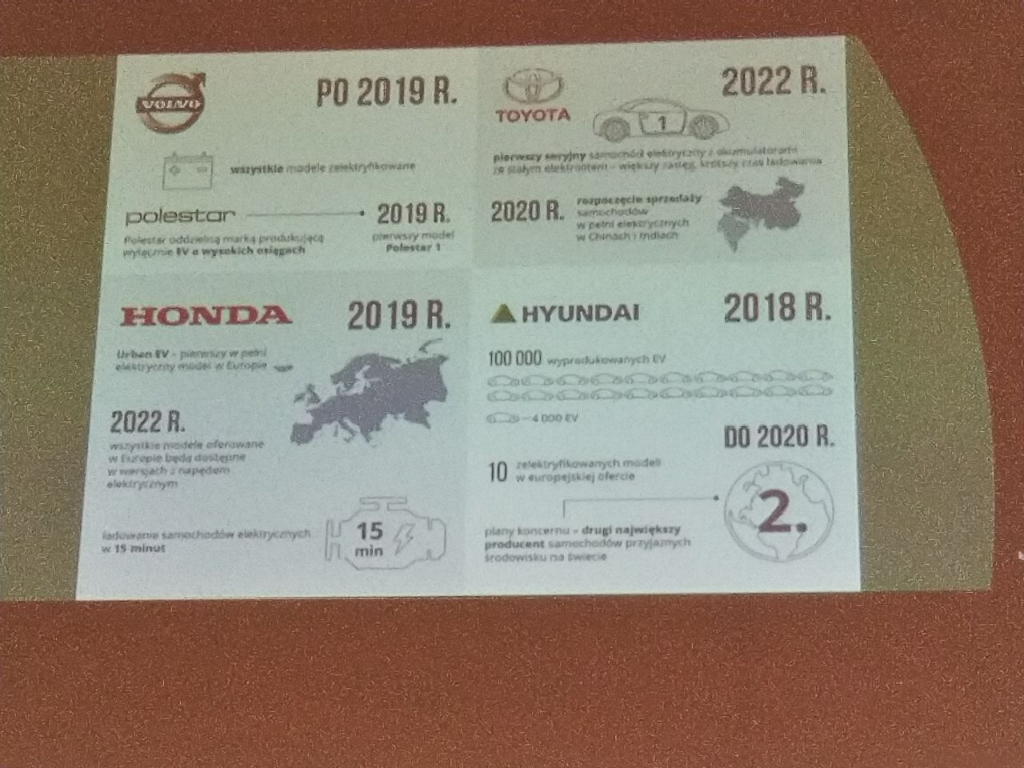
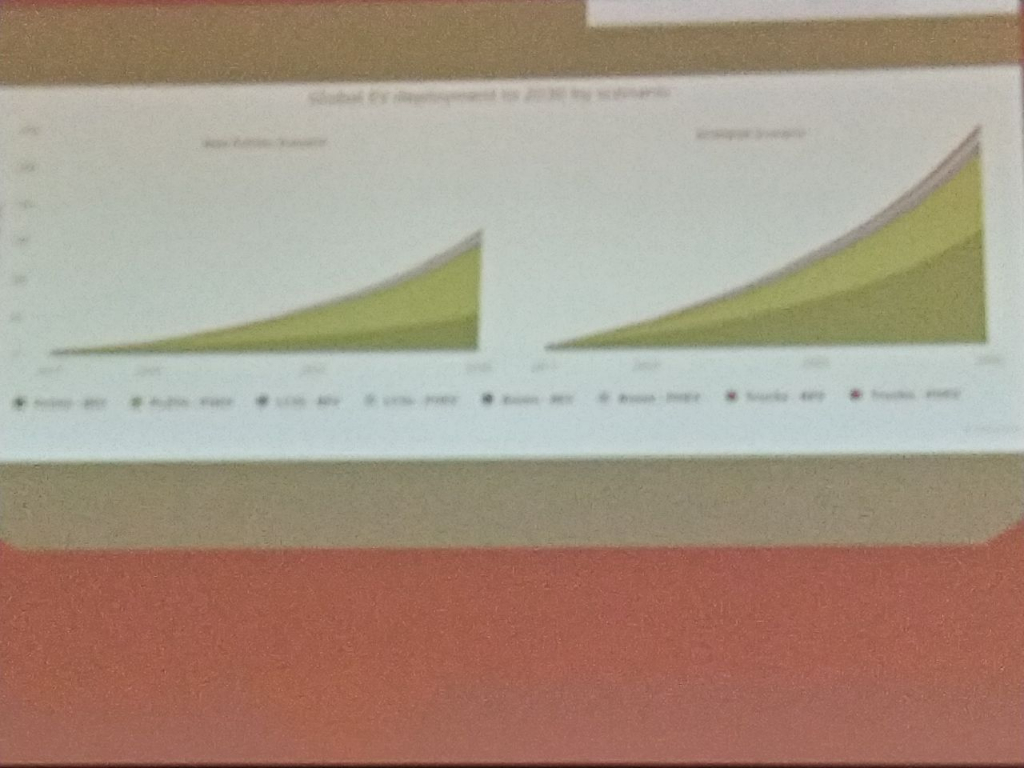
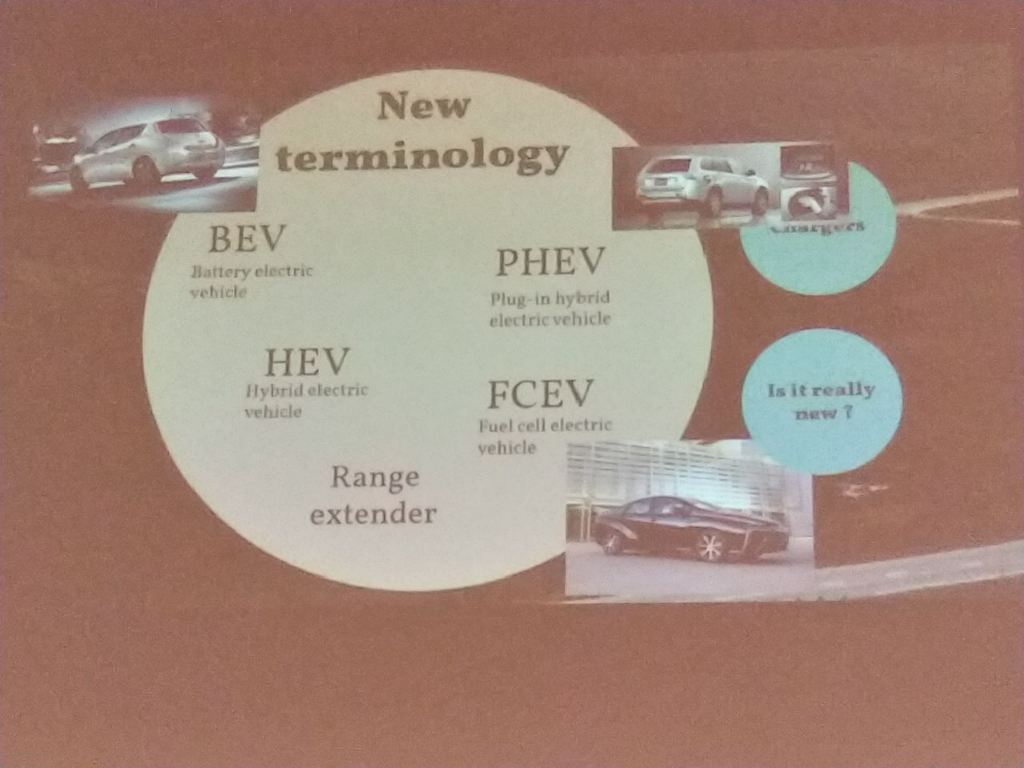
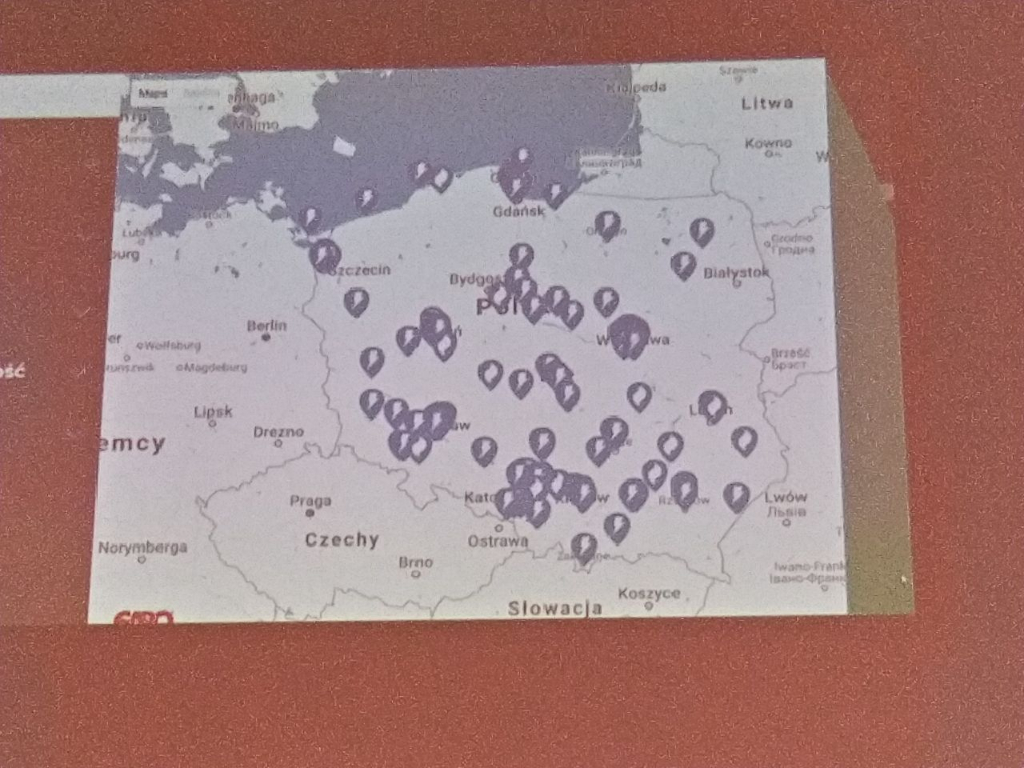
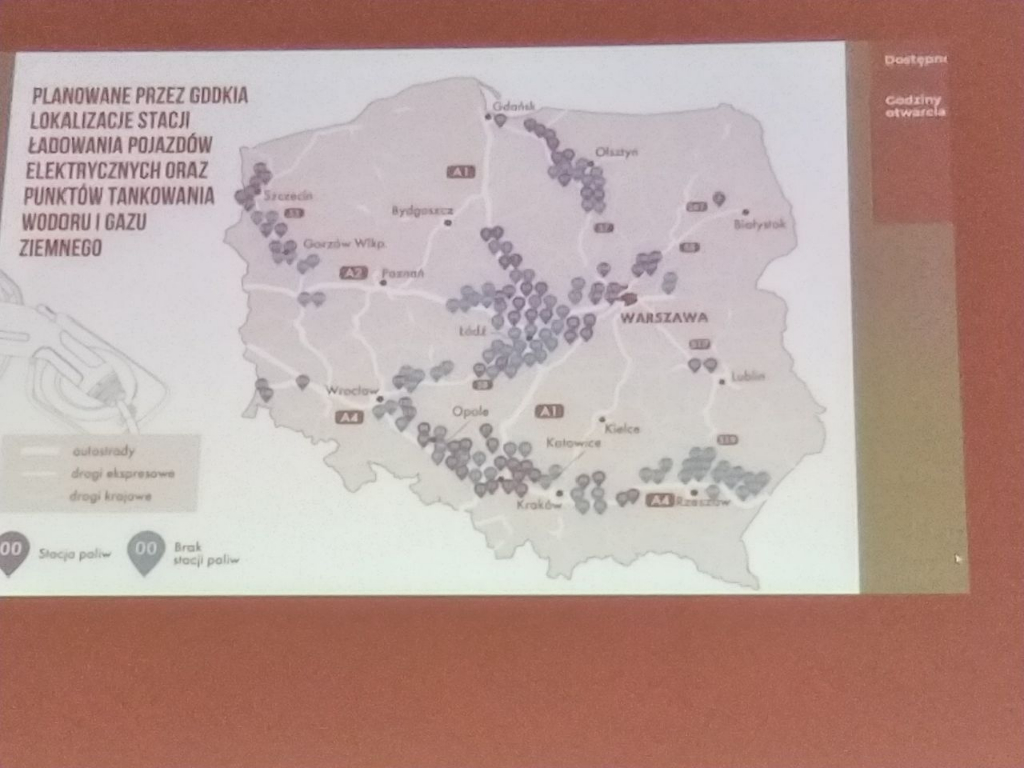
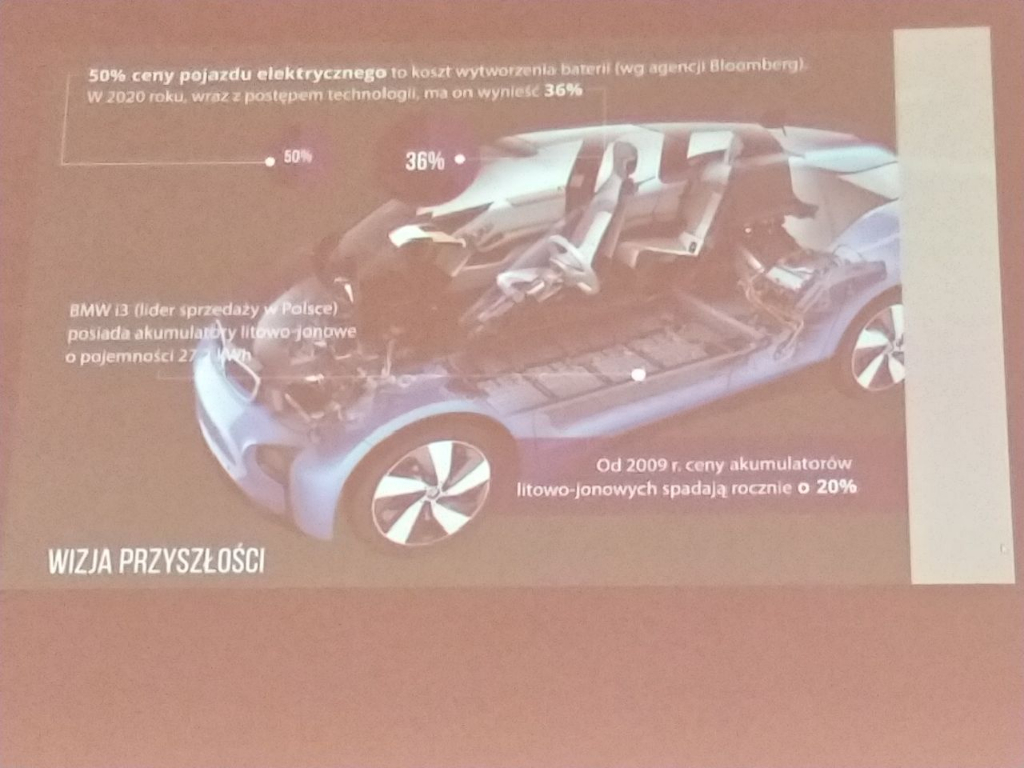
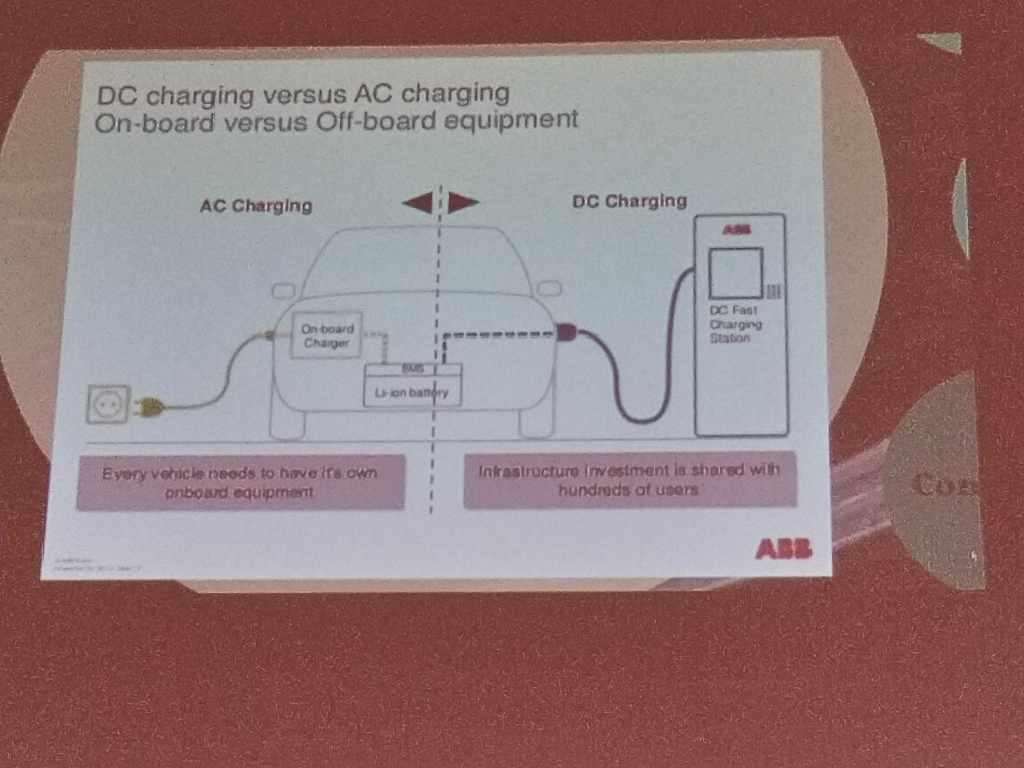
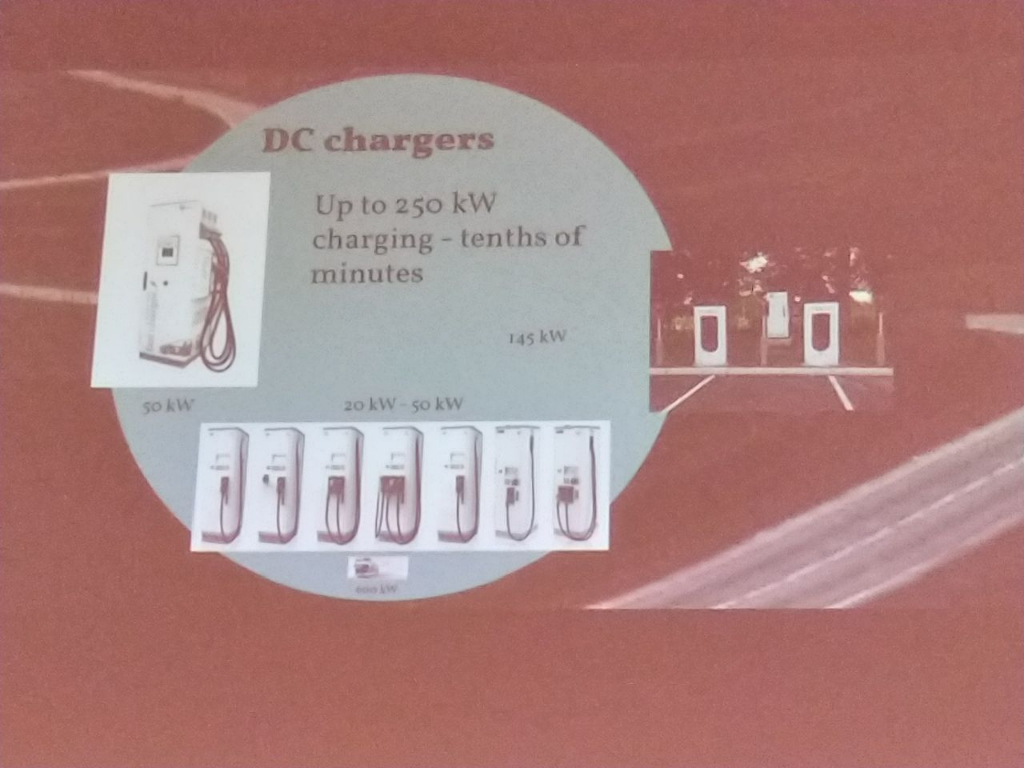
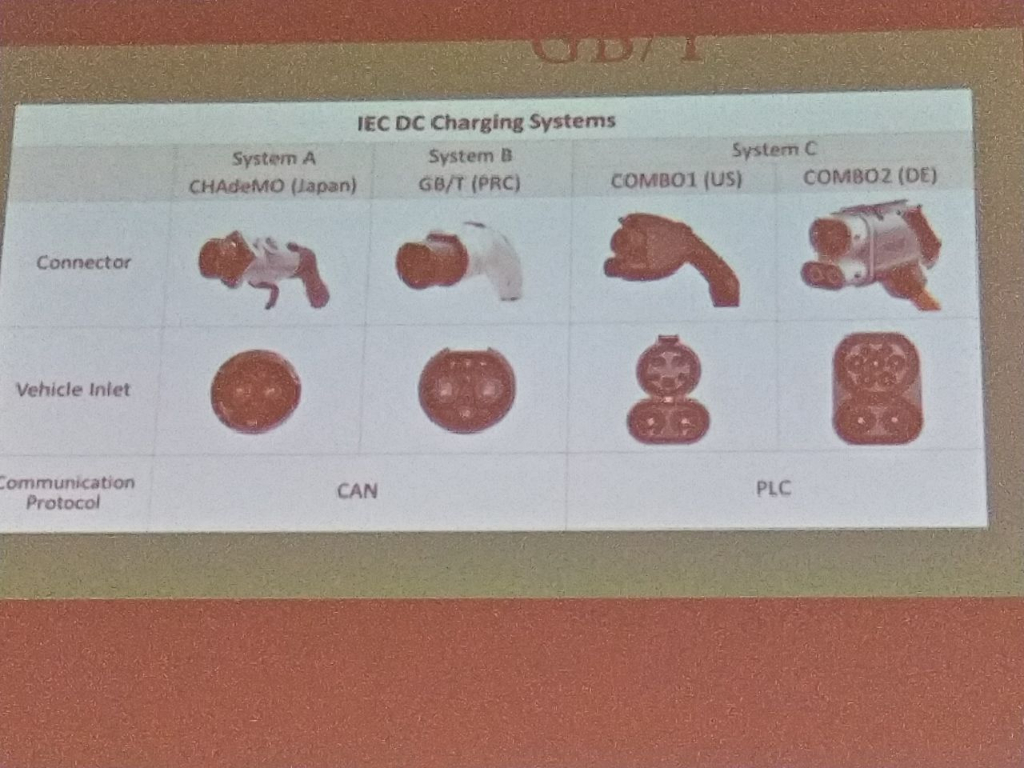
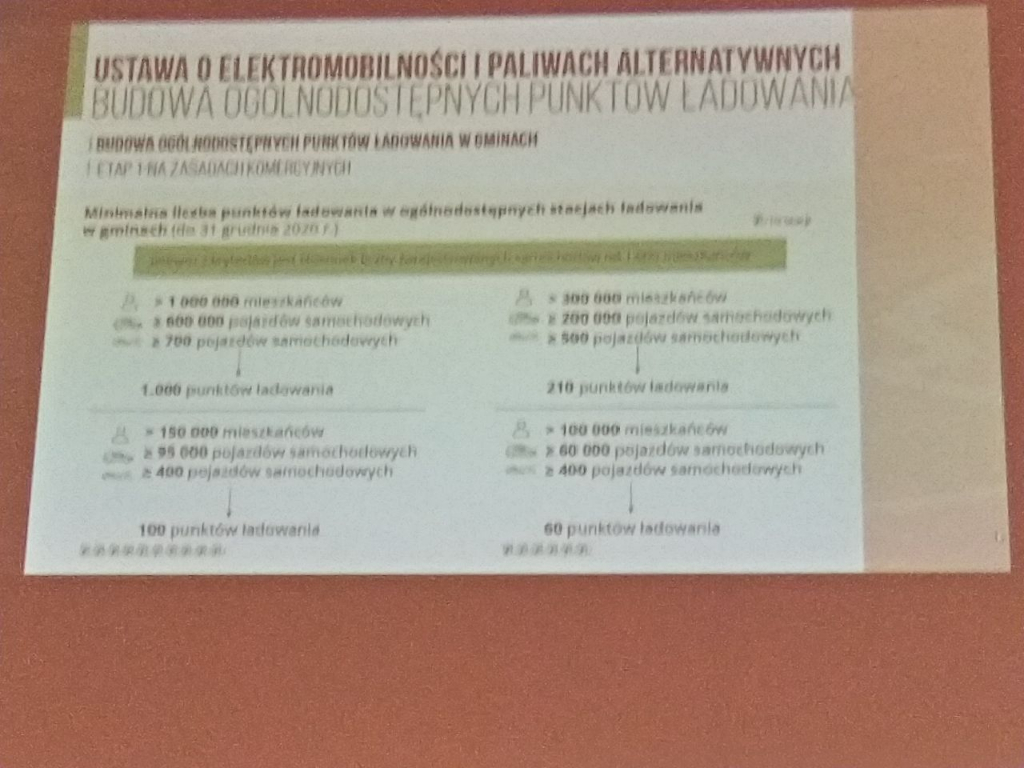
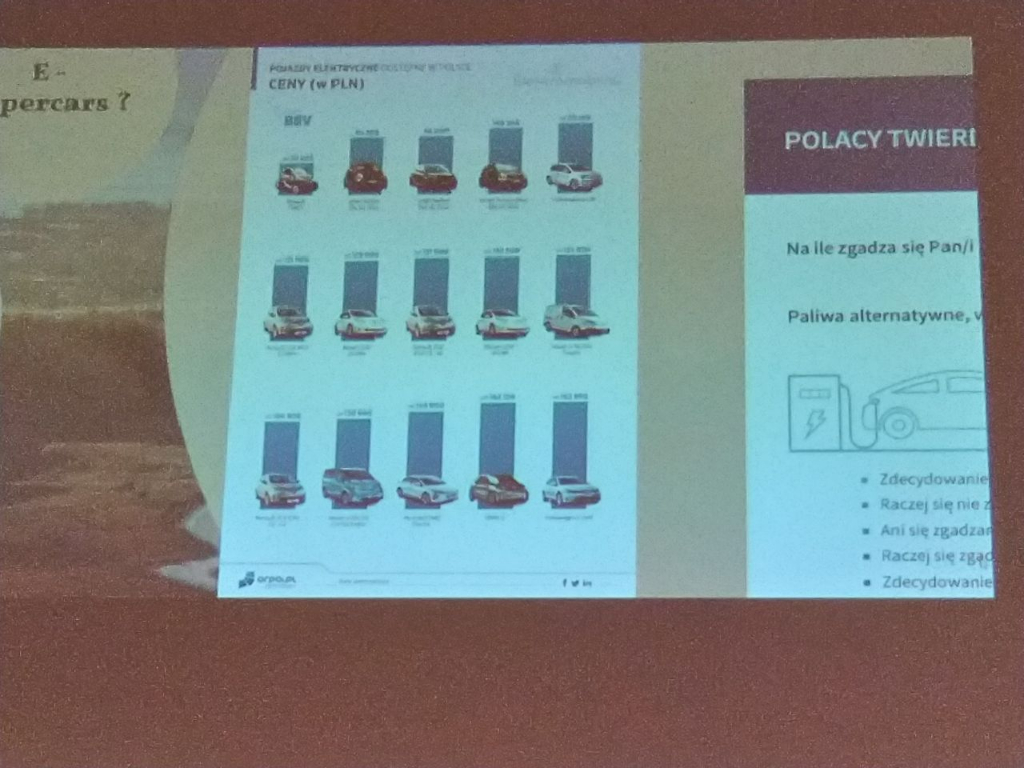
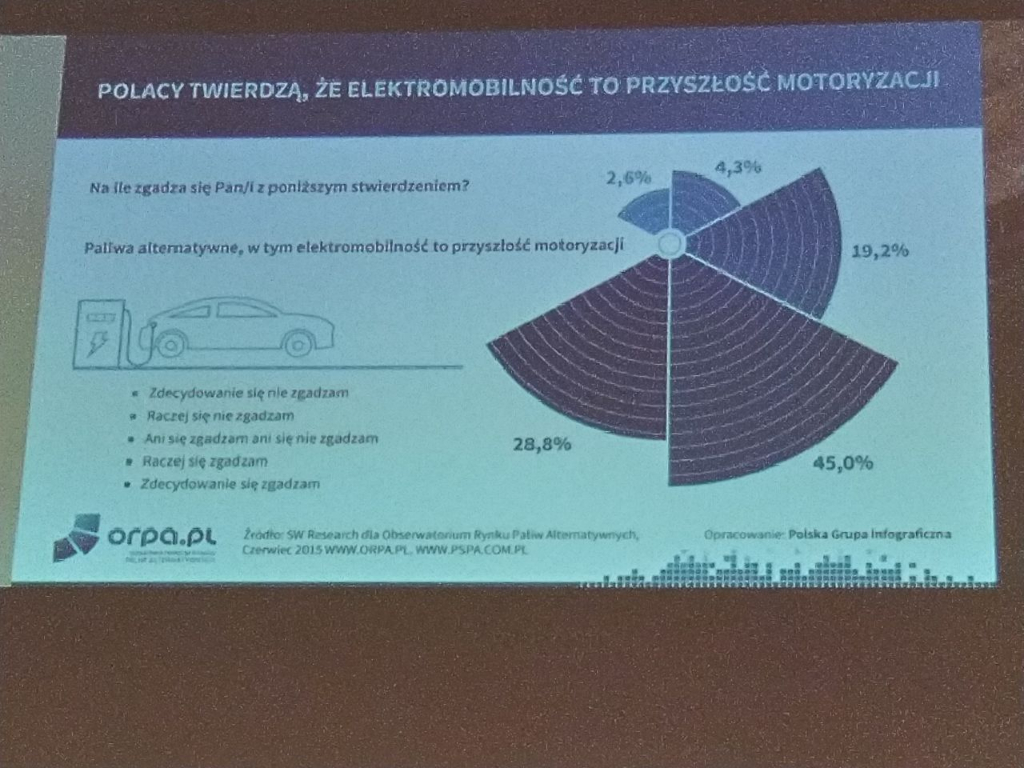
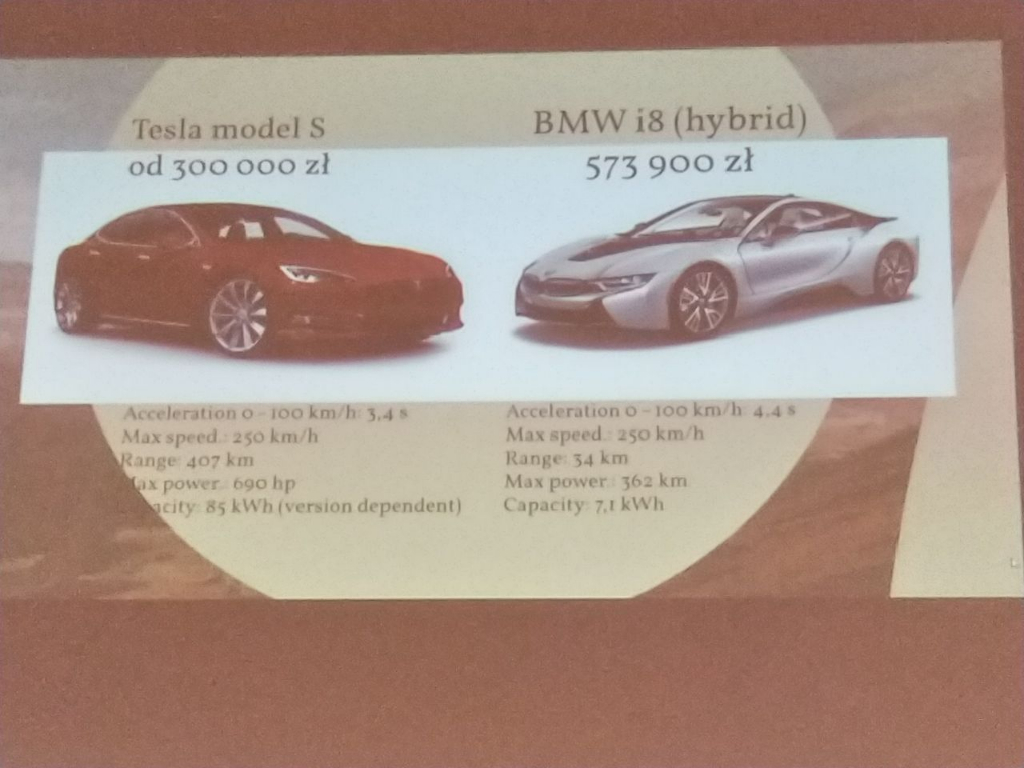
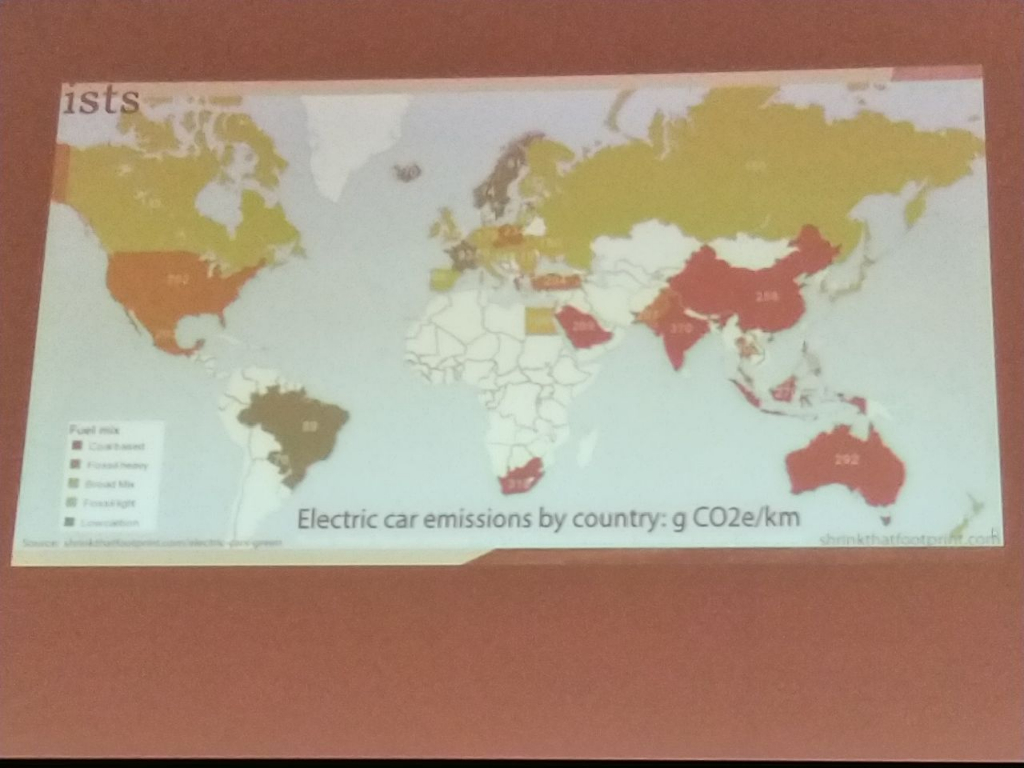
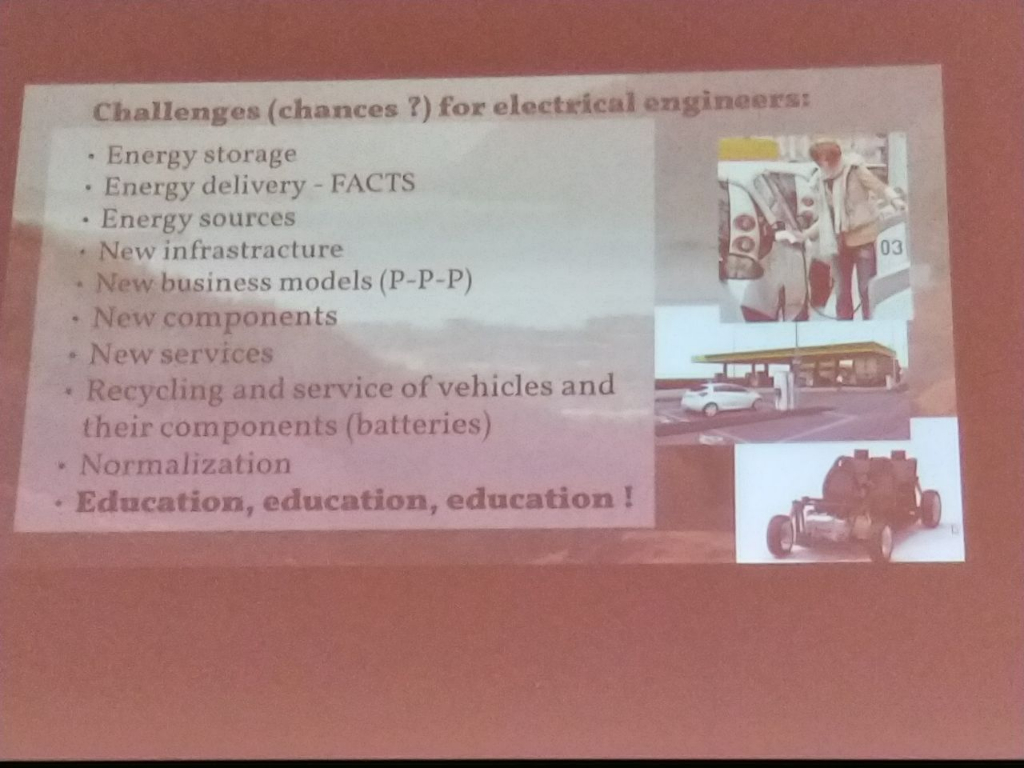
3. Marcin Holub spoke about electromobility – about history, current state and prospects in the Europe.
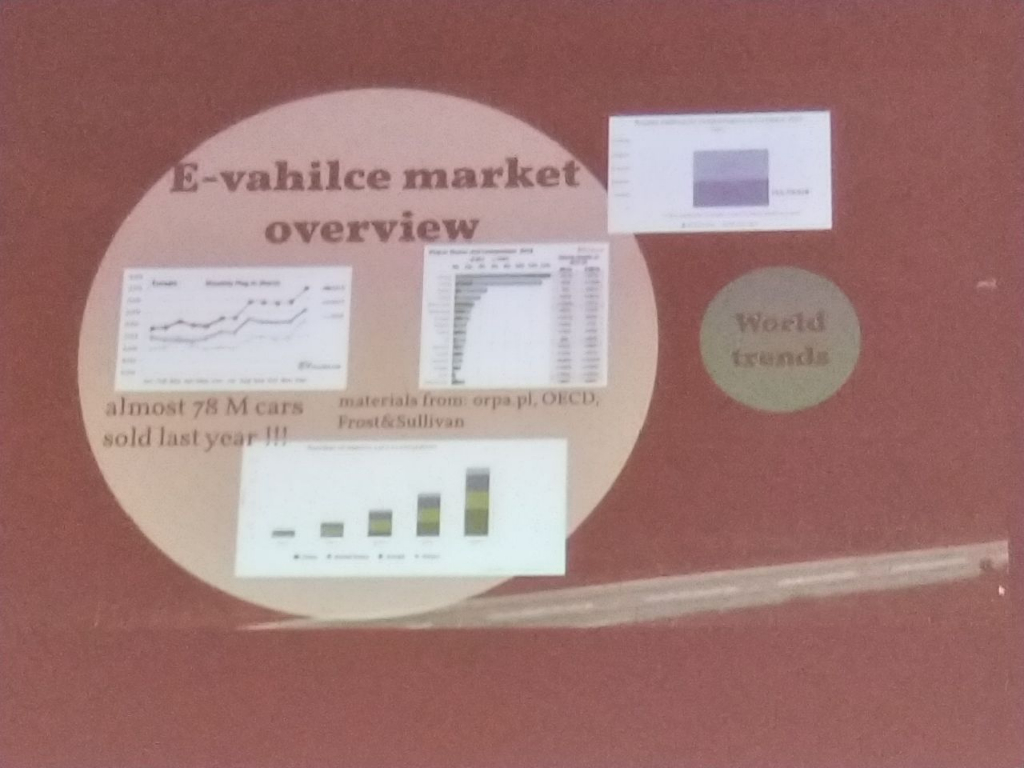
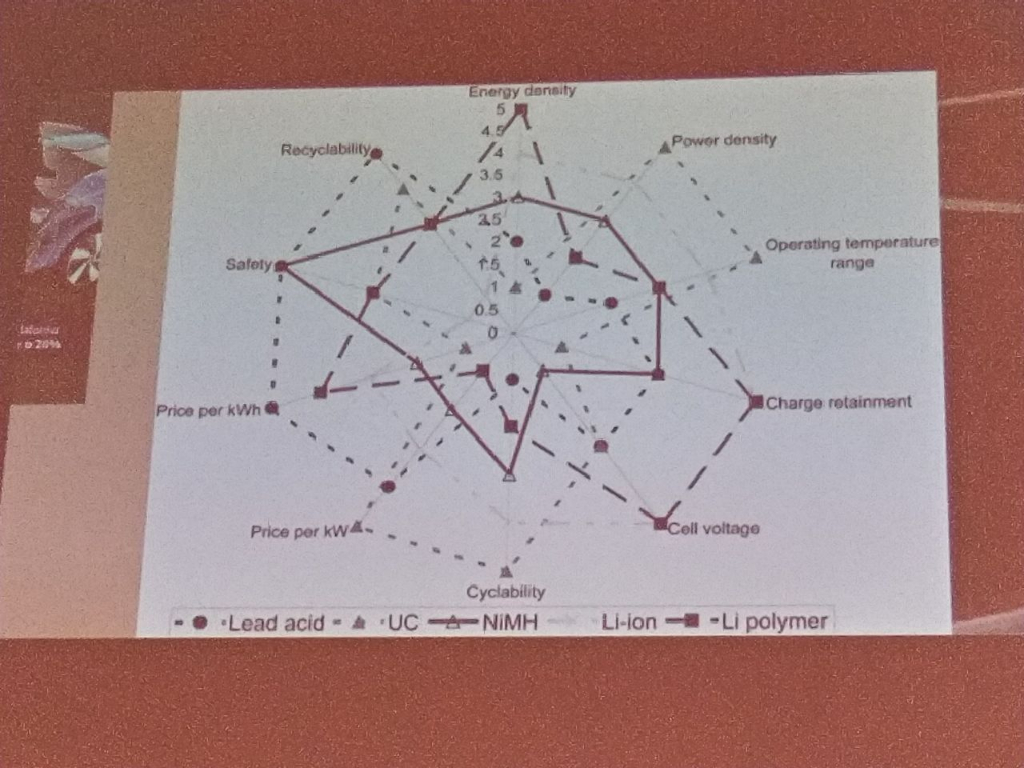
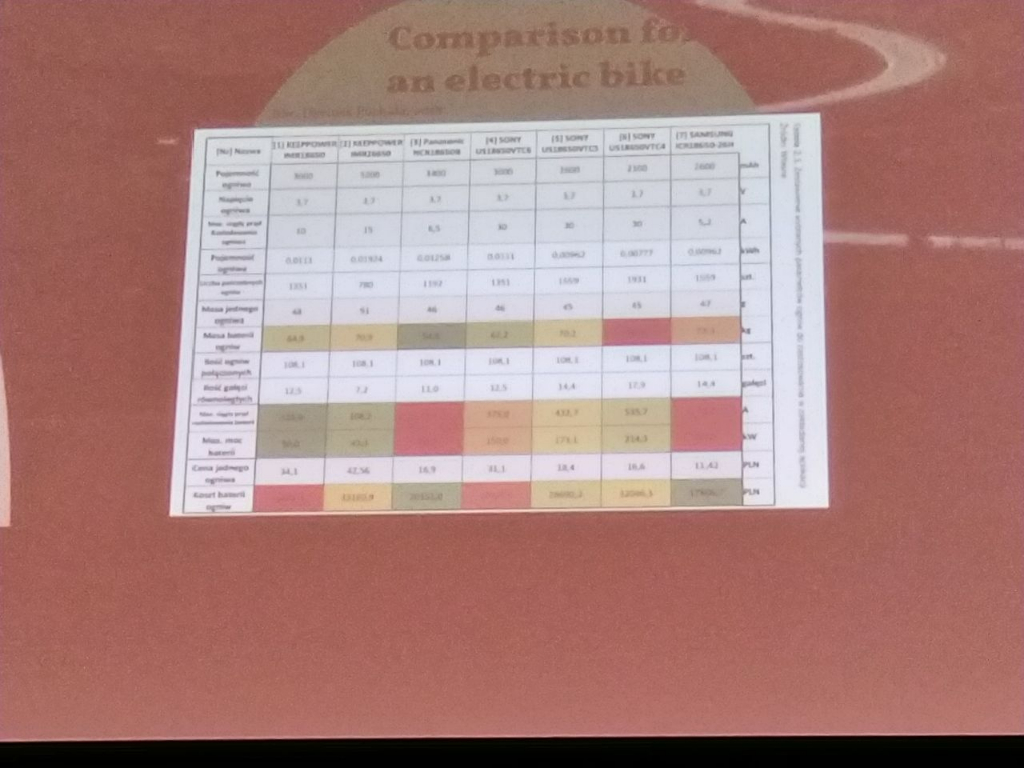
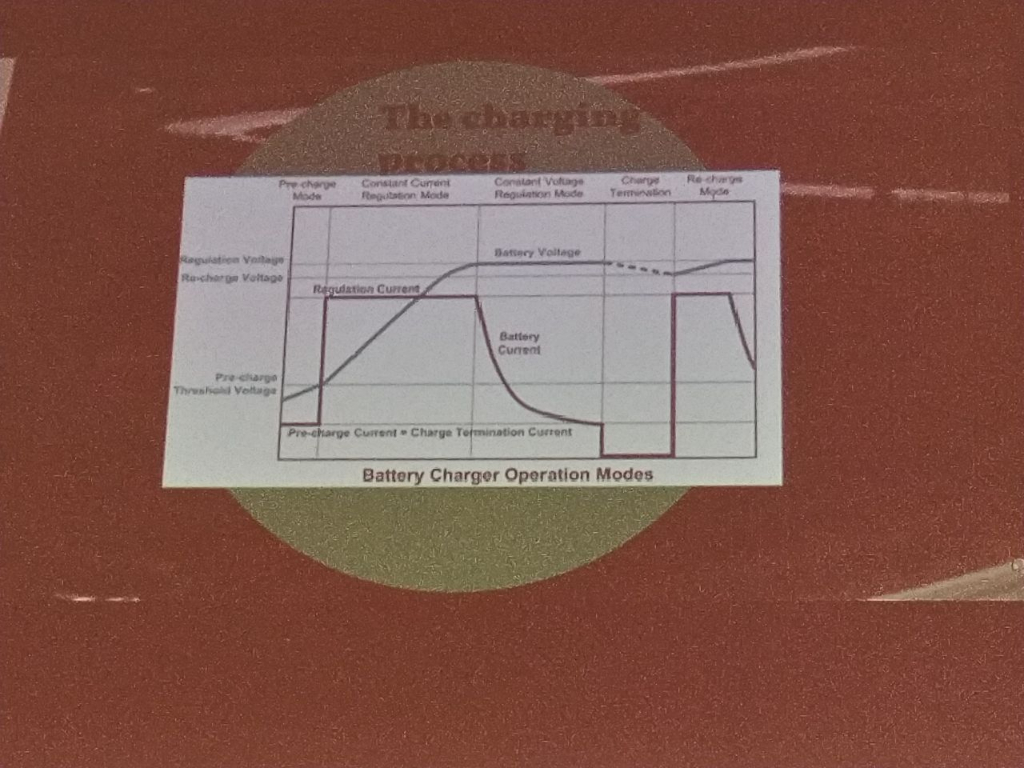
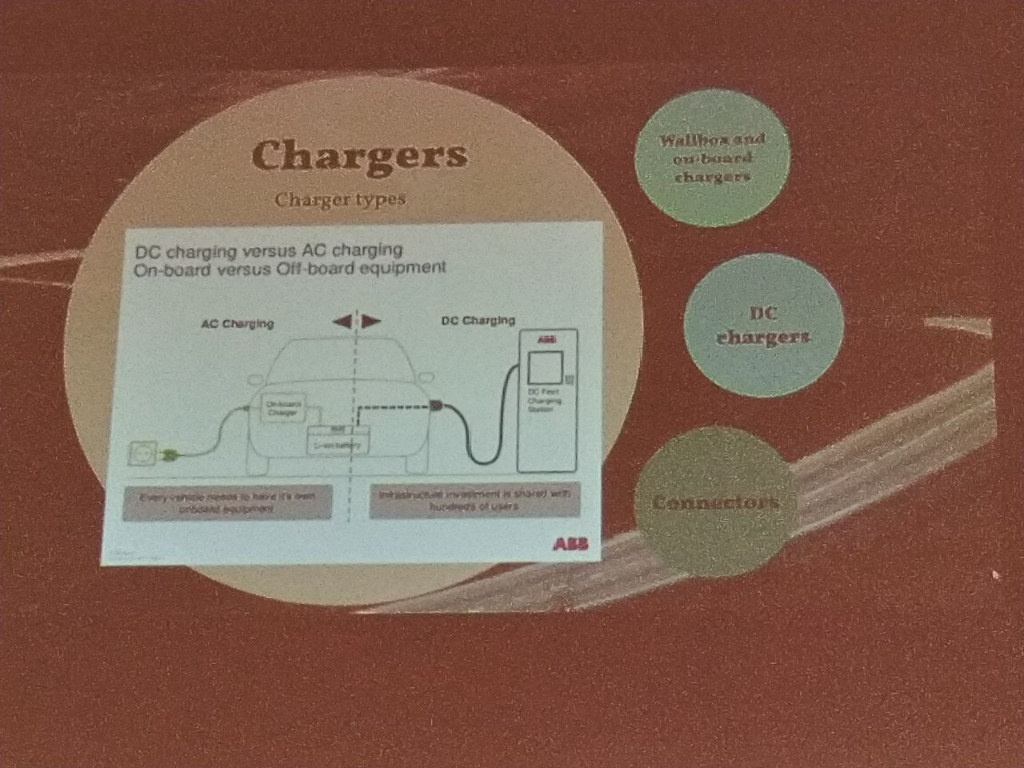
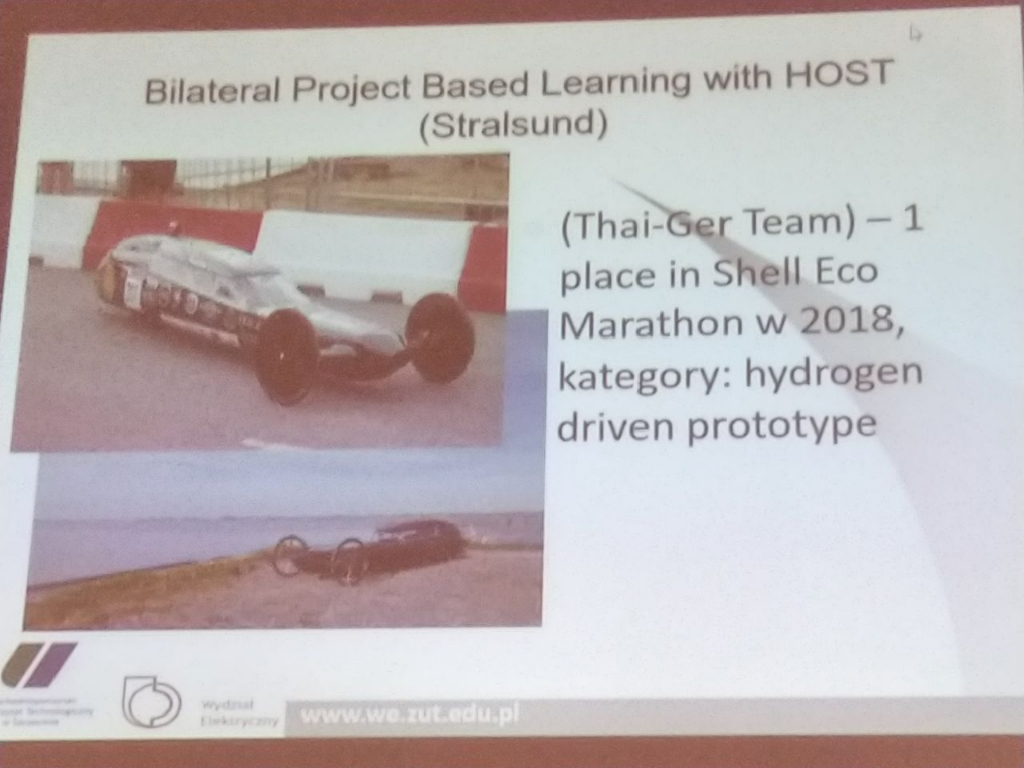
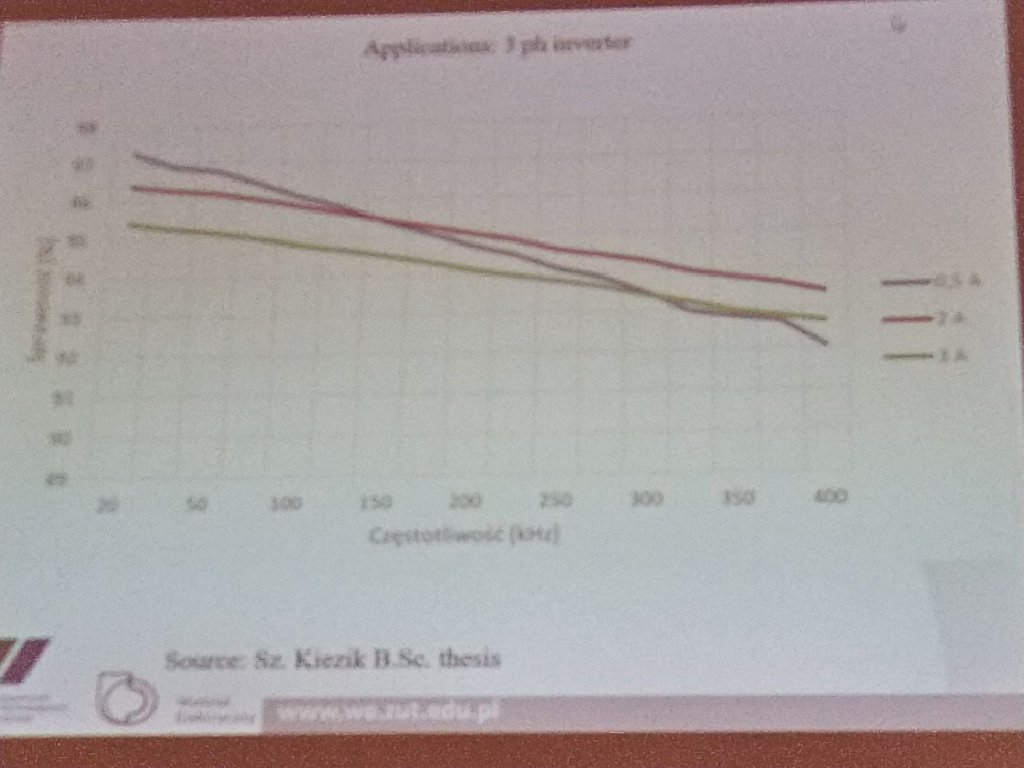
Marcin showed the development state of electric vehicles (EV) infrastructure in Poland, a comparative description of the different types batteries that are typically used in EV. Also he mentioned different types of EVs: batteries-based EV (battery EV = BEV), hybrid – with battery and internal combustion engine (hybrid EV = HEV), hybrid with the possibility of charging battery from the charging station (plug-in HEV = PHEV) and fuel cell EV (fuel cell EV = FCEV). And of course, there were many other interesting things, see photo below.
Unfortunately, nothing has been said about hybrid energy storage systems for EV based on batteris and supercapacitors, which is developed at our department since 2017.
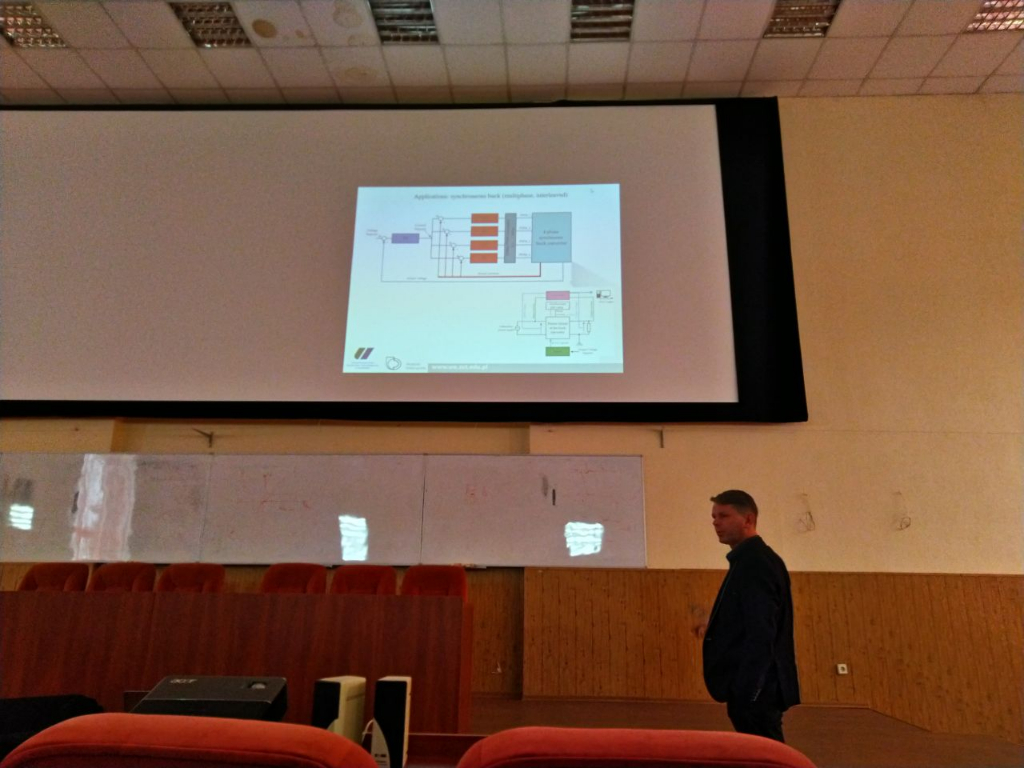
Photographs from the 3rd lecture

Also, from Faculty of Electronics news on lecturers from European Universities in KPI:
“In a solemn atmosphere, the framework agreement on cooperation between the I.Sikorsky KPI and the Polytechnic Institute of Setubal was signed.
The West Pomeranian University of Technology has fruitful cooperation with the KPI since 2016. It is planned to sign a framework internship agreement.”